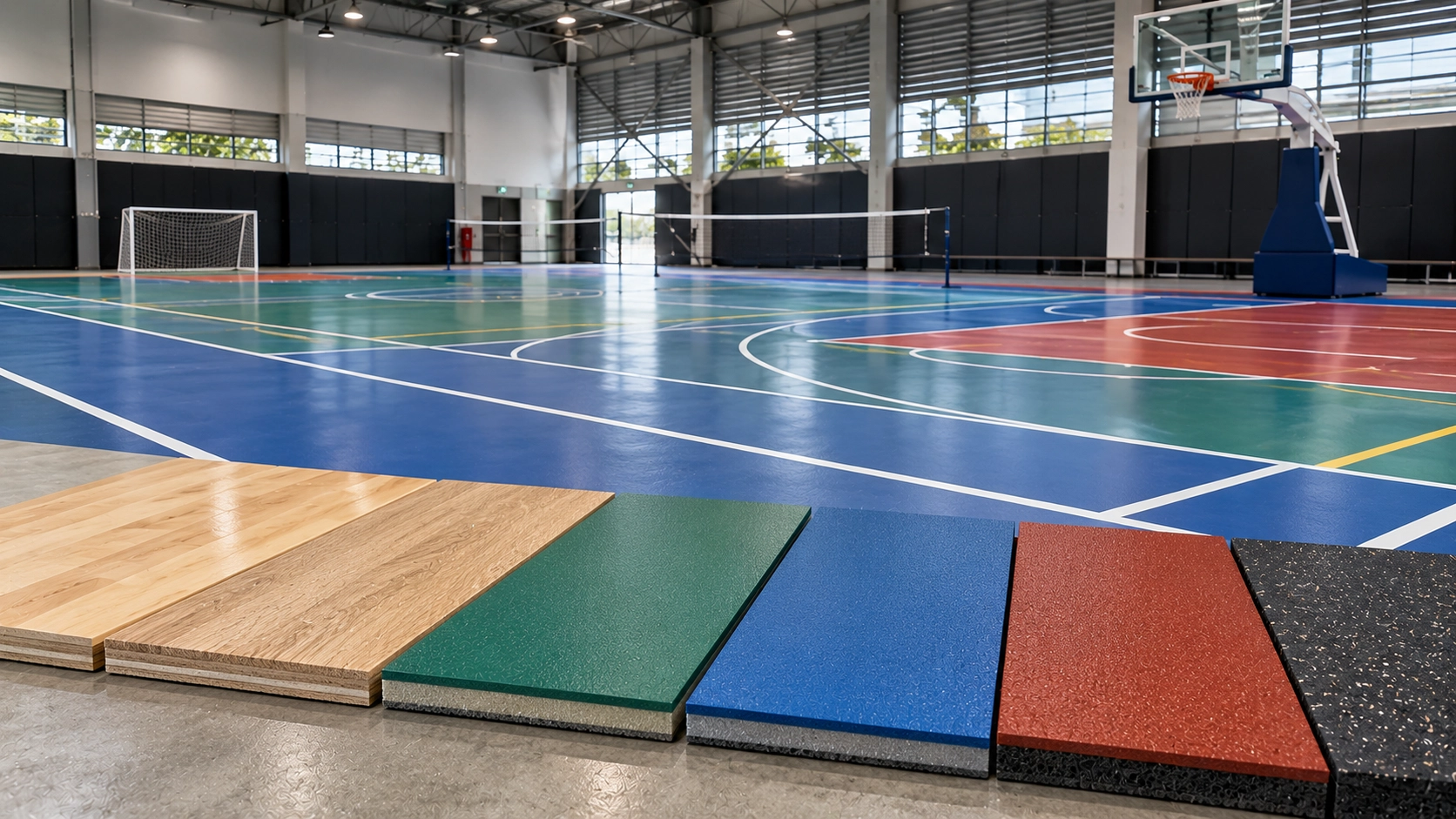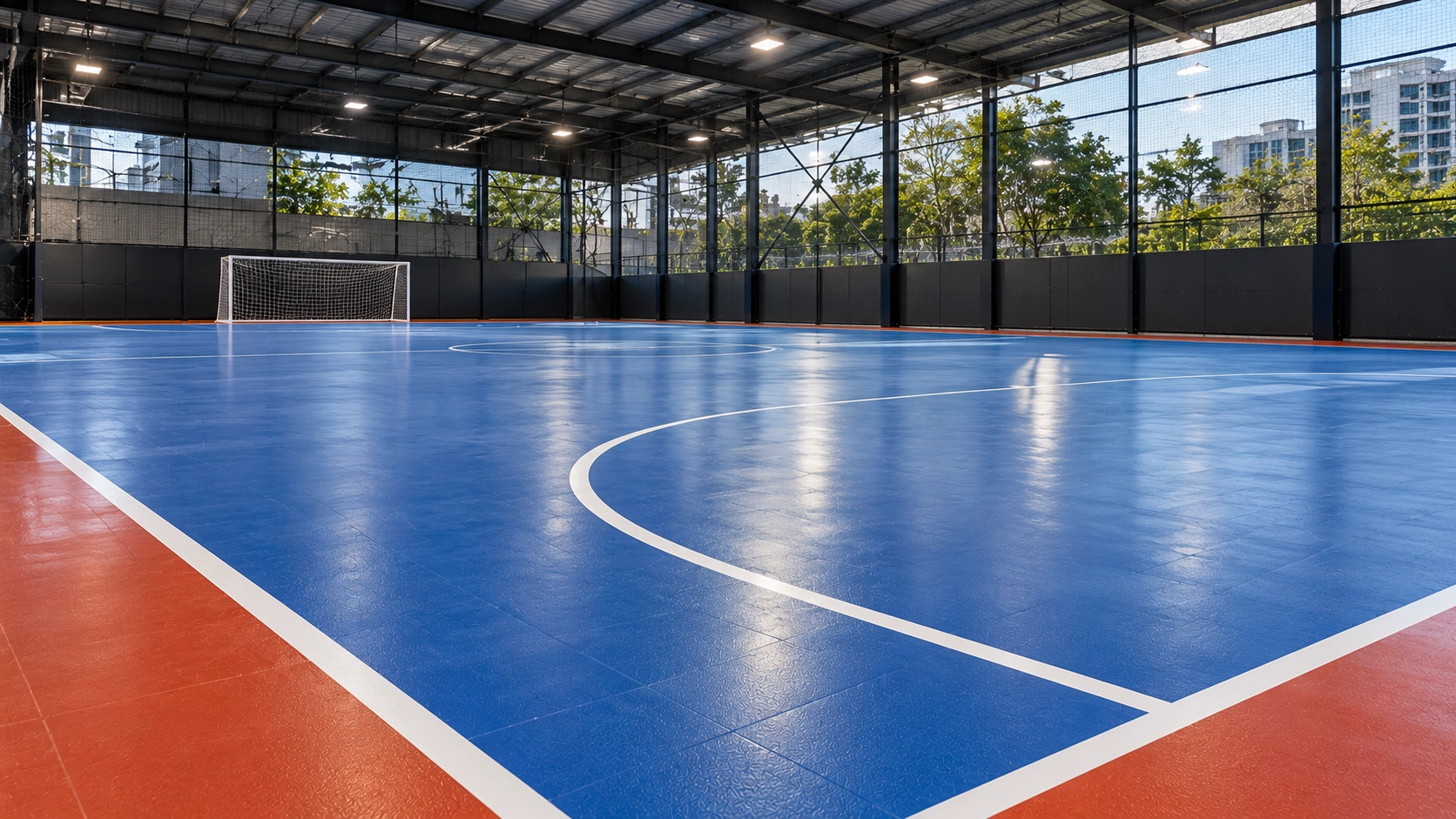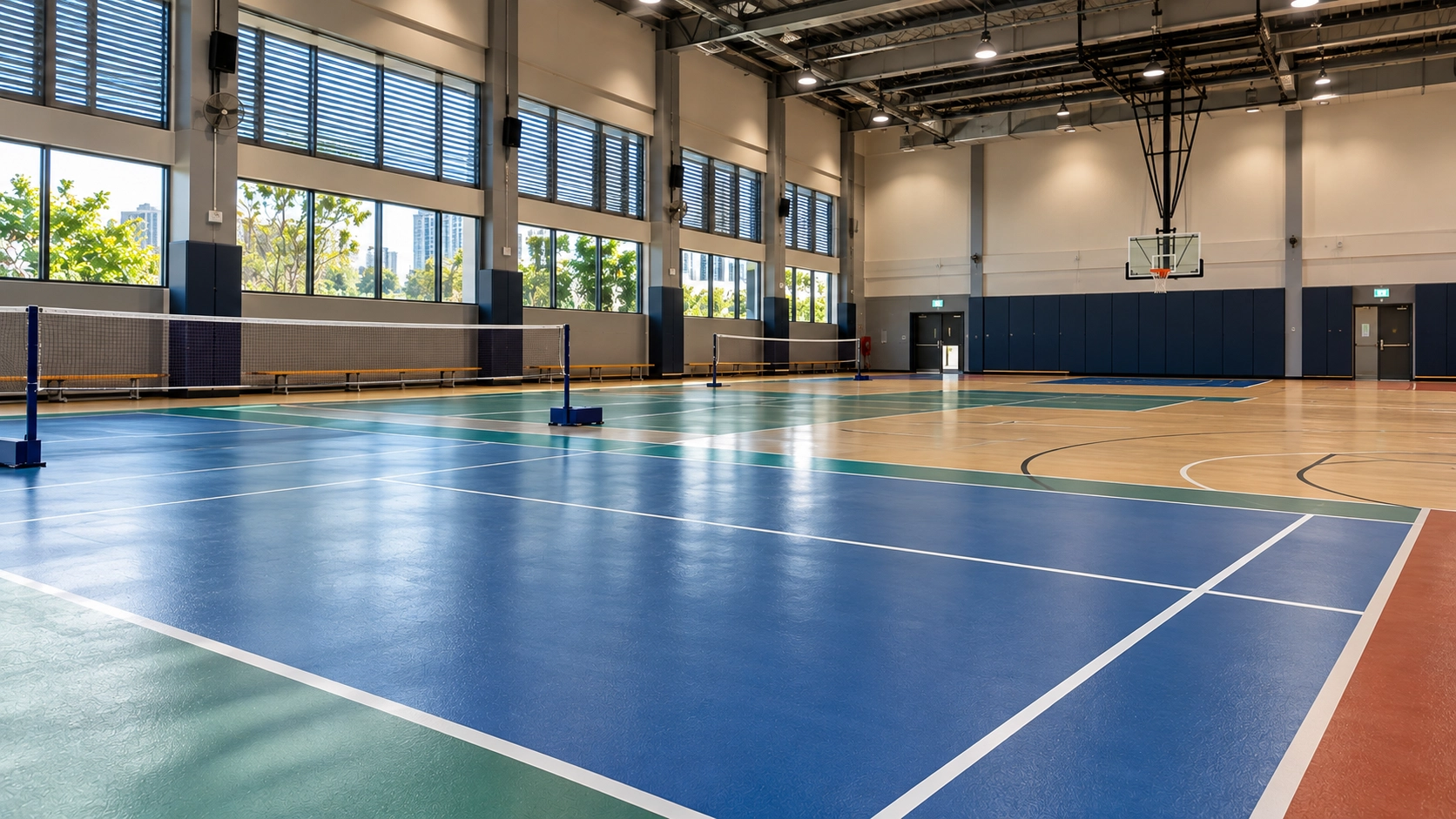
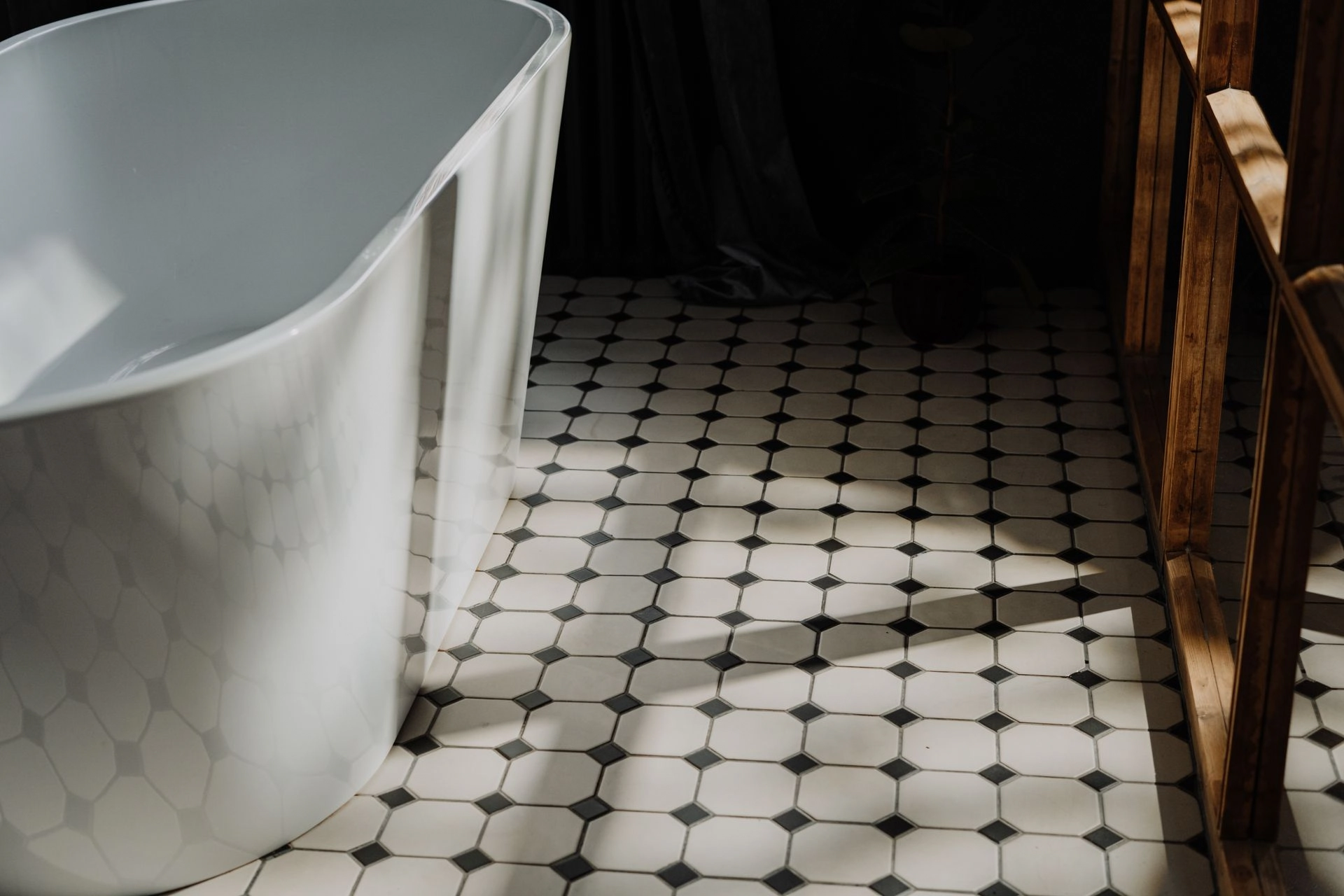
Most people in Singapore use the word linoleum to mean any kind of resilient floor covering. Sheet vinyl, LVT, SPC, homogeneous vinyl tiles and occasionally even rubber flooring all get called lino at some point. The word has become generic in the same way that Sellotape means any adhesive tape.
Actual linoleum is something specific and genuinely different from all of those products. Whether it makes sense for Singapore homes and businesses in 2026 is a more nuanced question than most flooring guides acknowledge.
What Real Linoleum Actually Is
Linoleum was invented in England in 1860 and is made from entirely natural materials: linseed oil, wood flour, limestone, rosin and natural pigments, bonded to a jute backing. The linseed oil oxidises and polymerises over time, which is part of what gives genuine linoleum its characteristic properties.
This natural composition is what distinguishes linoleum from vinyl. Vinyl flooring (SPC, LVT, homogeneous vinyl) is a petroleum-derived product. Linoleum is plant-based and biodegradable. At the end of its service life, linoleum can be composted or disposed of as organic waste in most jurisdictions.
The surface of linoleum has antimicrobial properties because linseed oil inhibits the growth of certain bacteria and fungi. This is a genuine property of the material, not a marketing claim.
Linoleum’s colour runs through the full thickness, similar to homogeneous vinyl. Surface scratches and wear do not expose a different-coloured layer beneath. In high-traffic environments, this means the floor maintains a consistent appearance as it wears.
The Singapore Context
Linoleum’s performance in Singapore’s specific climate is where the honest assessment becomes more nuanced.
Genuine linoleum is installed as a glue-down product, typically in sheet or large tile format. It is not available in click-lock plank format.
In dry environments and commercial spaces with stable temperature and humidity conditions, linoleum performs well. The European healthcare and education sectors have used it extensively for exactly this reason. Scandinavian office interiors use it widely. It is durable, hygienic and has genuine sustainability credentials.
In Singapore’s high-humidity environment, particularly in residential spaces that are not consistently climate-controlled, linoleum requires more careful maintenance than vinyl. The linseed oil component can yellow slightly under strong UV exposure. Linoleum also needs to be sealed and periodically rewaxed, unlike modern vinyl products which need no surface treatment.
How Linoleum Compares to SPC and LVT
If you are making a direct comparison for a Singapore home renovation, SPC or LVT has the practical advantage in most applications. Both are genuinely waterproof throughout their full thickness. Both require no sealing or waxing. Both handle Singapore’s humidity without concern about yellowing or swelling.
Linoleum’s advantage over vinyl is environmental and tactile. The material is genuinely natural and biodegradable. It is warmer and softer underfoot than SPC. And in the design vocabulary of commercial and institutional spaces, it carries a different aesthetic character.
For Singapore homeowners who specifically want a natural-material floor for environmental reasons and are prepared to manage the maintenance appropriately, linoleum is a legitimate option for dry living areas. For kitchens, bathrooms and wet zones, it is not appropriate regardless of the appeal. And for HDB overlay on existing tiles, the glue-down installation requirement means it is more invasive than click-lock SPC.
Our materials comparison guide covers the broader picture of how different flooring types perform against each other in Singapore conditions.
For Commercial Applications
In Singapore’s commercial and institutional sector, genuine linoleum finds its best application where its antimicrobial properties and sustainability credentials both matter. Healthcare facilities pursuing green building certification, schools with environmental commitments and commercial interiors where natural materials are part of the brand story are the contexts where linoleum makes sense.
For commercial specification in Singapore, linoleum should be installed by a contractor experienced with the material. Incorrect adhesive selection or subfloor preparation can cause adhesion failure in Singapore’s humidity conditions.
Singapore’s BCA Green Mark certification recognises natural, low-VOC materials including linoleum in its indoor environment quality criteria. For commercial projects pursuing green building certification, linoleum’s natural composition can contribute meaningful material credits.
Talk to Us About Flooring Options
Contact our team to discuss flooring material options for your Singapore home or commercial project. We will give you a direct recommendation based on your specific requirements.
Call +65 8299 7185. WCEGA Tower, 21 Bukit Batok Crescent #12-78, Singapore. Open 7 days.