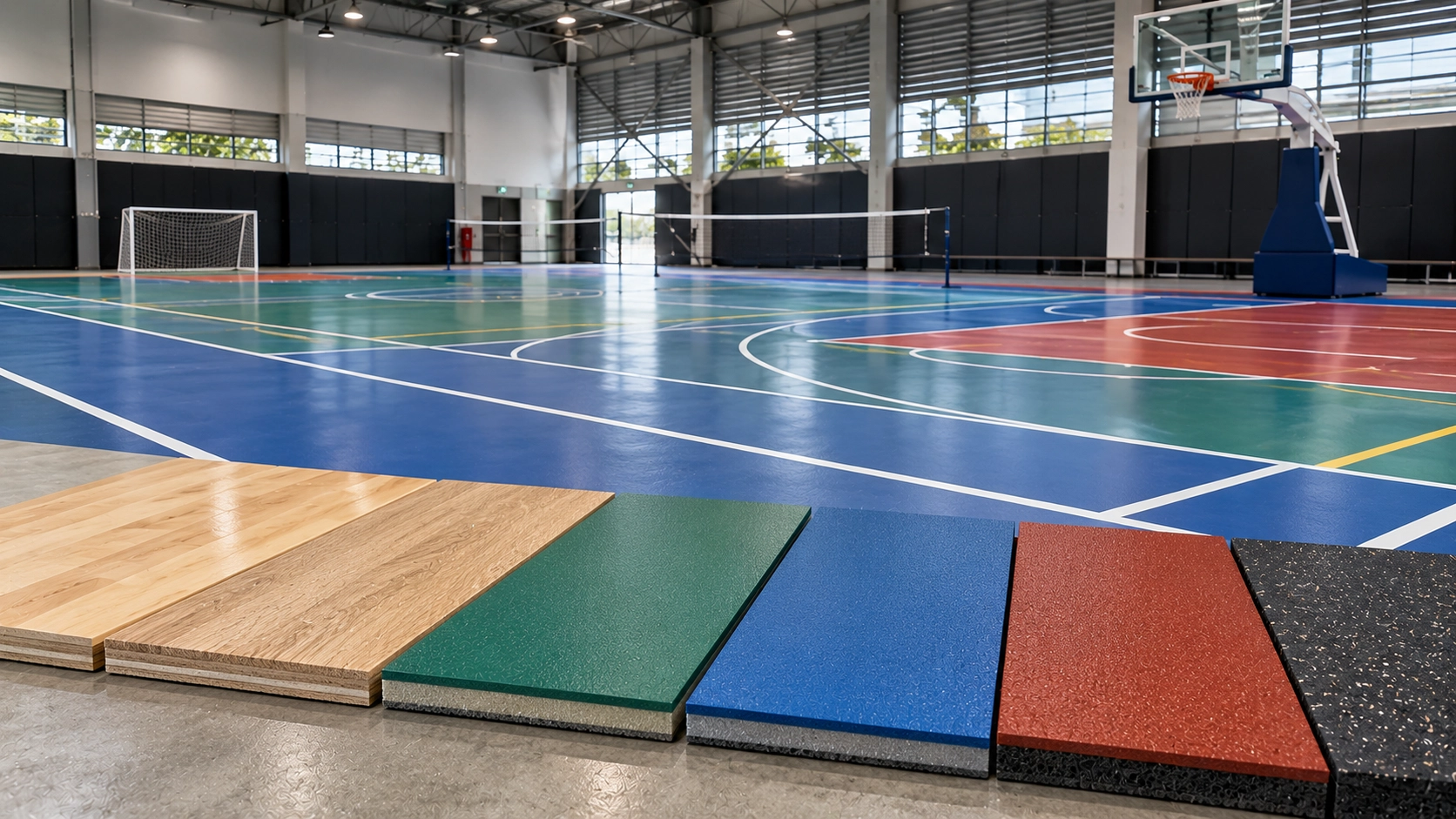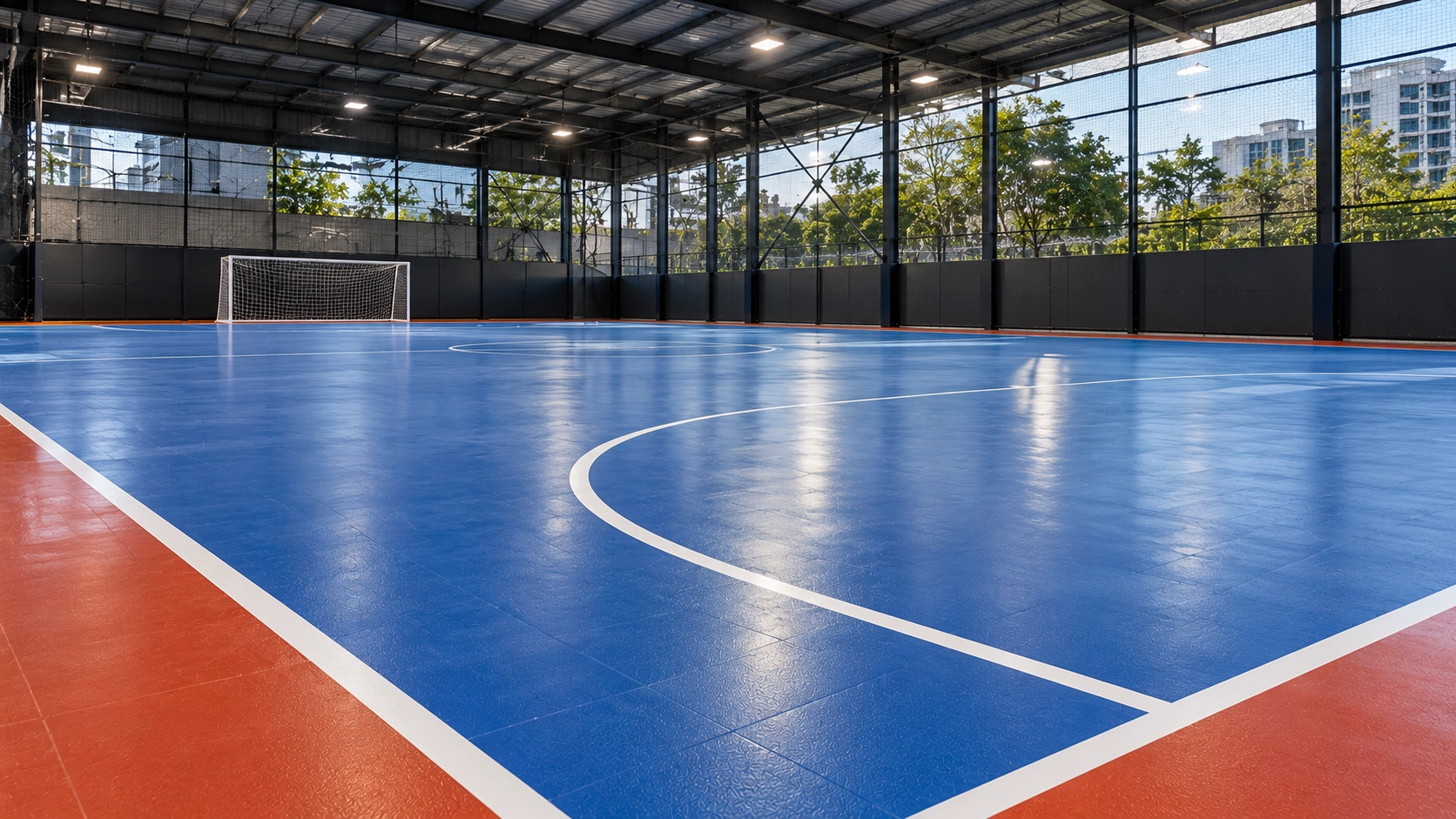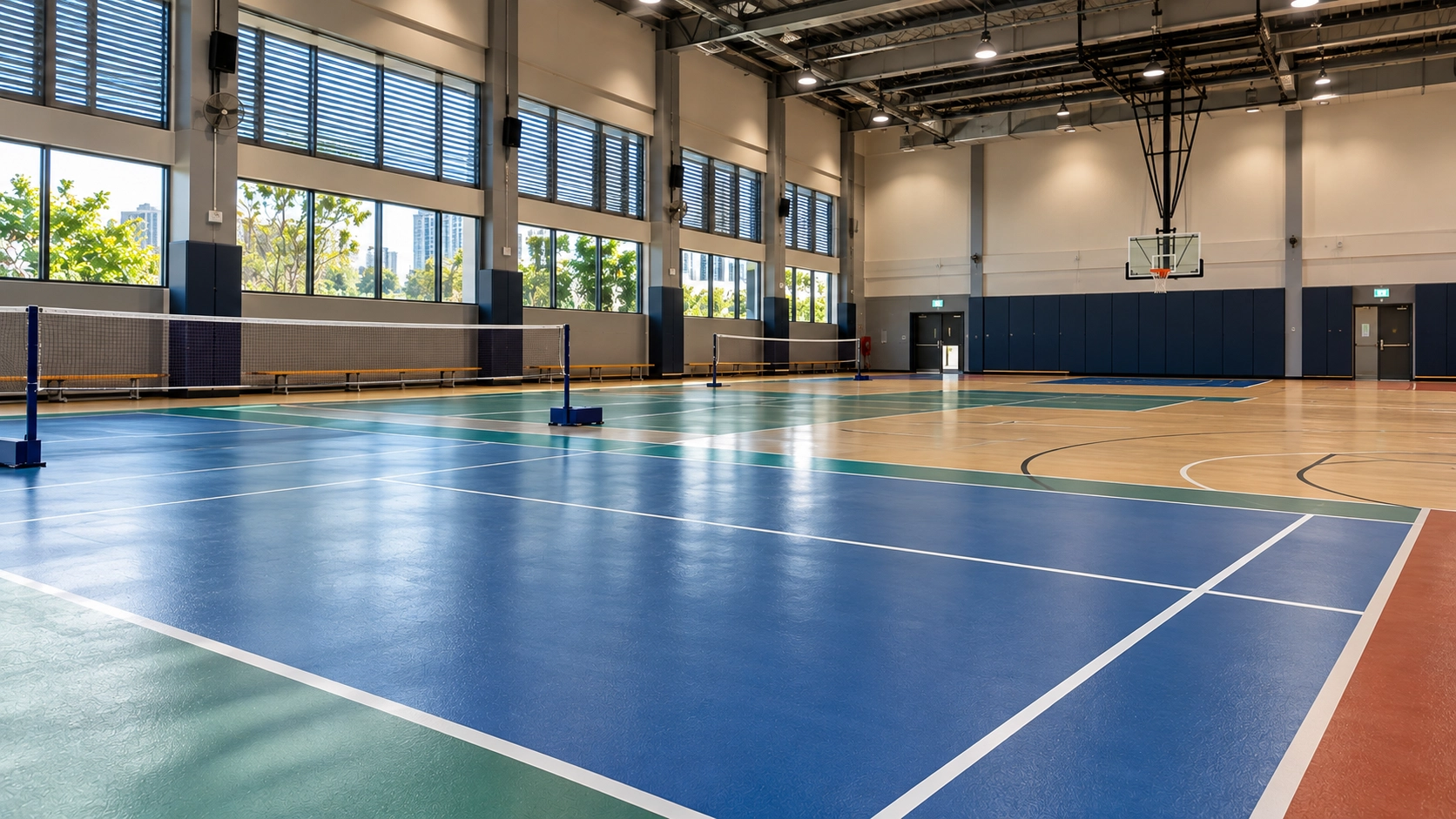
If you are renovating an HDB flat or condo in Singapore and you have narrowed your choices down to SPC vs laminate flooring, you are looking at two products that appear very similar on the surface — both come in realistic wood and stone finishes, both use click-lock installation systems, and both are significantly more affordable than real timber.
But underneath that surface similarity, SPC and laminate are fundamentally different products — with very different performance profiles in Singapore’s climate. Choosing the wrong one is a mistake that shows itself slowly, over months and years, often in ways that are expensive and disruptive to fix.
This guide gives you a clear, honest comparison so you can make the right call for your home.
The Core Difference: What They Are Made Of
This is the most important thing to understand before anything else.
SPC (Stone Plastic Composite) has a rigid core made from a compound of limestone powder and polyvinyl chloride. The core is completely inorganic — it does not absorb moisture in any form. It is waterproof throughout its full thickness, not just at the surface.
Laminate has a core made from HDF — High-Density Fibreboard — which is a wood-fibre product. Wood fibre absorbs moisture. The laminate surface is treated to be water-resistant, but if water penetrates through the joints, edges, or any cut section, it reaches the HDF core and causes it to swell. Once swollen, HDF does not return to its original dimensions — the damage is permanent.
In Singapore’s climate, this difference is not theoretical. It is the reason why flooring professionals across Singapore consistently recommend SPC over laminate for residential applications.
SPC vs Laminate: Head-to-Head Comparison
Moisture and Humidity Resistance
SPC: Completely waterproof throughout. The limestone-PVC core does not absorb moisture regardless of humidity, spills, or subfloor moisture migration. Ideal for Singapore’s year-round humidity above 80%.
Laminate: Surface water-resistant but not waterproof through the core. Moisture that enters through joints, edges, or around furniture can cause the HDF core to swell — permanently damaging planks and creating uneven, bubbling surfaces. In Singapore’s humid environment, this is a meaningful long-term risk, especially in resale flats where subfloor moisture may be present.
Verdict: SPC wins clearly.
Durability and Dent Resistance
SPC: The rigid mineral core resists denting under heavy furniture, concentrated loads, and impact. This is particularly valuable in Singapore homes with heavy sofas, storage cabinets, and dining tables.
Laminate: More susceptible to denting and surface compression under heavy point loads. Once dented or scratched through the protective layer, laminate cannot be refinished.
Verdict: SPC wins.
Acoustic Performance
SPC: Most SPC planks include a pre-attached acoustic underlayment that reduces impact noise transmission — an important consideration in HDB flats where noise to the unit below is a real concern.
Laminate: Can feel and sound hollow underfoot when installed as a floating floor. Requires a separate underlayment to improve acoustic performance — adding cost and complexity to the installation.
Verdict: SPC wins for HDB environments.
Surface Realism and Aesthetics
SPC: Modern SPC uses high-definition print layers with embossed-in-register surface textures. The visual quality of premium SPC is very close to that of premium laminate. Both products can achieve highly realistic wood and stone looks.
Laminate: Has historically had an edge in surface realism due to its slightly deeper embossing technology, but this gap has largely closed with modern SPC manufacturing. At the premium end, both are visually convincing.
Verdict: Draw at premium quality levels. Laminate may have a slight edge at entry level.
Comfort Underfoot
SPC: The rigid core makes SPC feel firmer underfoot than laminate. With an acoustic underlayment, this is comfortable for everyday use — but it is not as soft as laminate with a foam underlay.
Laminate: Slightly softer and more cushioned underfoot due to the HDF core and foam underlayment combination. Some homeowners prefer the warmer, softer feel.
Verdict: Laminate edges ahead on pure underfoot comfort. SPC with good underlayment closes the gap considerably.
Installation Over Existing Tiles
SPC: Can be installed directly over existing flat tiles in resale HDB flats. The rigid core bridges minor subfloor imperfections effectively. At 5–5.5mm thickness, it comfortably stays within HDB’s 50mm floor height limit.
Laminate: Can also be overlaid on tiles in some cases, but is more sensitive to subfloor unevenness — the more flexible HDF core telegraphs subfloor imperfections more readily. Also adds a similar height increment.
Verdict: SPC edges ahead for resale HDB overlay applications.
Long-Term Cost
SPC: Purchase cost is typically slightly higher than entry-level laminate, but the absence of moisture-related failure risk and lower maintenance requirements make it the more cost-effective choice over a 10-year horizon in Singapore’s climate.
Laminate: Lower purchase cost at entry level, but the risk of moisture-related failure — which can require full floor replacement — makes the total cost of ownership less predictable.
Verdict: SPC is better value over the long term in Singapore.
When Might Laminate Still Make Sense?
Before proceeding with any flooring renovation, check HDB’s flooring renovation guidelines to confirm height limits and permit requirements for your specific flat. For homeowners in very well climate-controlled environments — such as fully air-conditioned landed properties with concrete subfloors and no moisture risk — and with a tight upfront budget, laminate can be a viable choice. The underfoot comfort and lower entry cost are genuine advantages.
However, for the vast majority of Singapore’s HDB flats, condominiums, and commercial spaces, SPC’s waterproofing advantage in our humid tropical climate makes it the more sensible recommendation.
Our Recommendation for Singapore Homes
For Singapore’s climate and housing conditions, SPC flooring is our clear recommendation over laminate — particularly for:
- HDB flats (resale or BTO) where subfloor moisture can be a factor.
- Kitchens and areas near bathrooms or service yards.
- Upper-floor units where acoustic performance matters for neighbours below.
- Homes with pets, young children, or heavy furniture.
Read our complete SPC flooring guide for more detail on what to look for when choosing an SPC product. And if you want to compare SPC with LVT, our LVT flooring guide covers the differences between these two vinyl-based formats.
Get Expert Flooring Advice from Lexsure
Not sure which is right for your specific space? Contact Lexsure Flooring for a free consultation. Our team will assess your space, understand your priorities, and give you an honest recommendation.
Visit us at 25 Bukit Batok Crescent #01-04, Singapore, call +65 8299 7185, or email [email protected]. Open 7 days a week.