
Floor polishing Singapore.
Professional marble waxing, cement floor polishing and wooden floor polishing for Singapore homes and commercial spaces. Qualified in-house team — no subcontractors. Free site assessment, workmanship guaranteed.
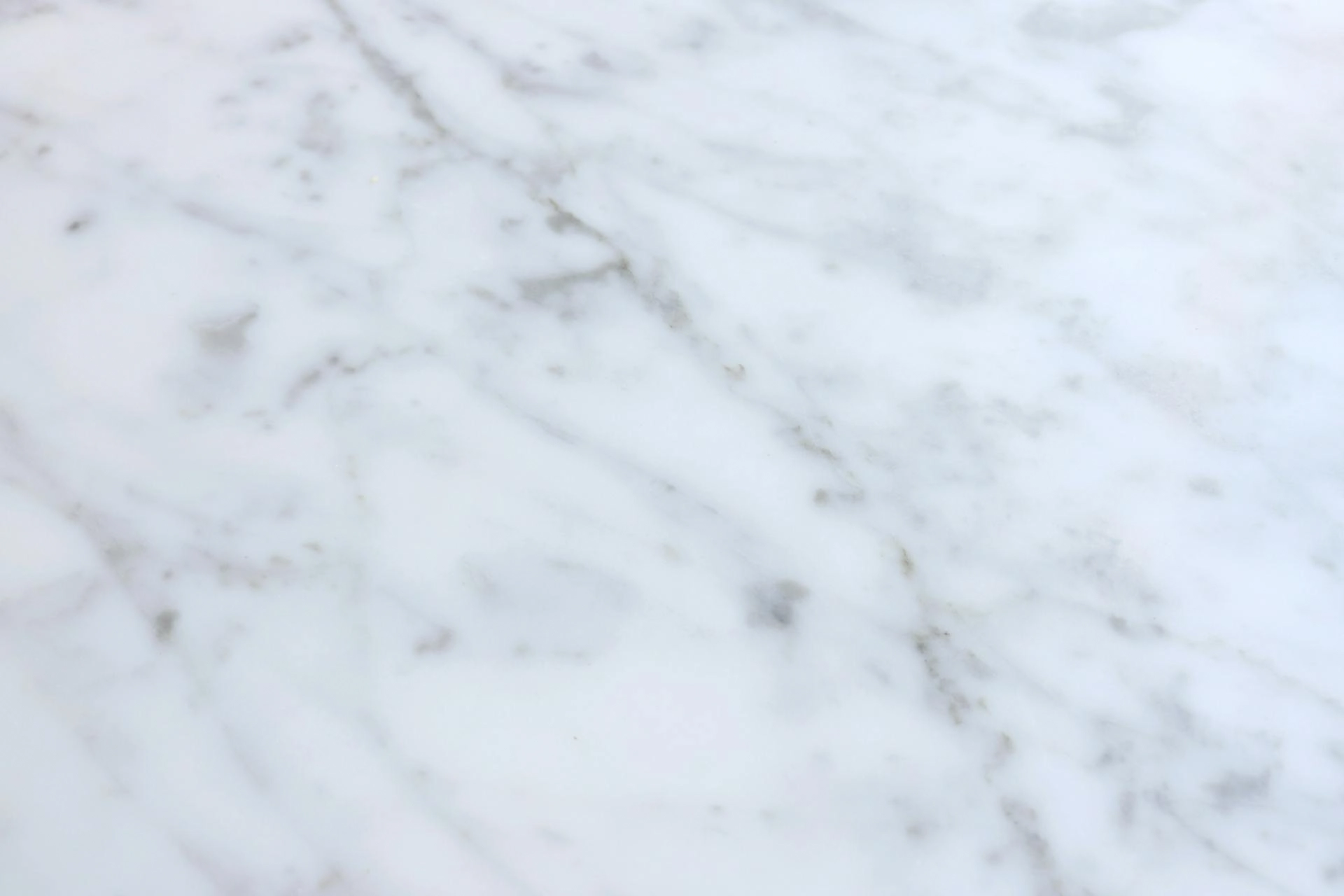
▎Service 01
Marble Waxing
Marble, granite & stone — 6–12 monthly
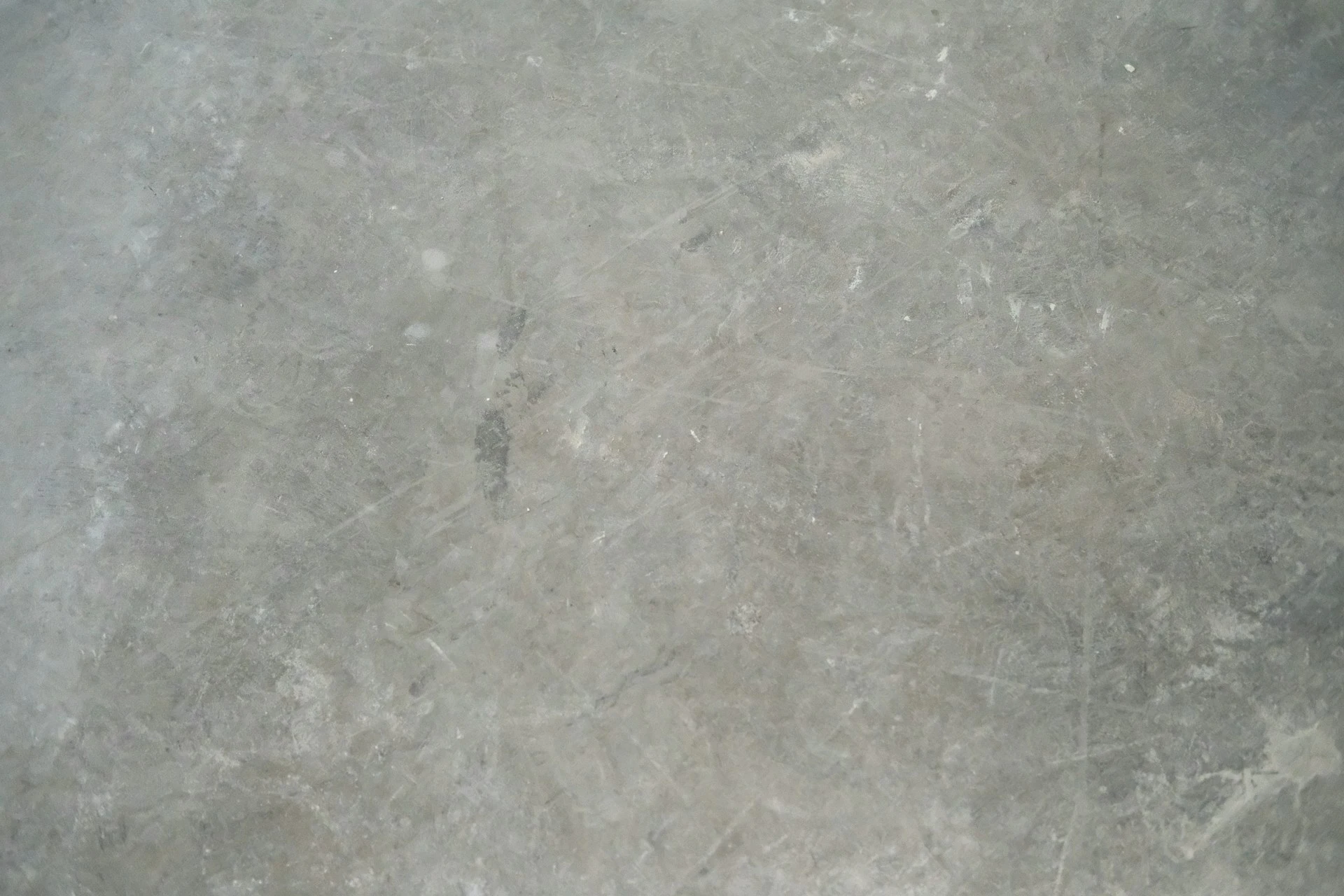
▎Service 02
Cement Floor Polishing
Concrete & cement screed — 12–24 monthly
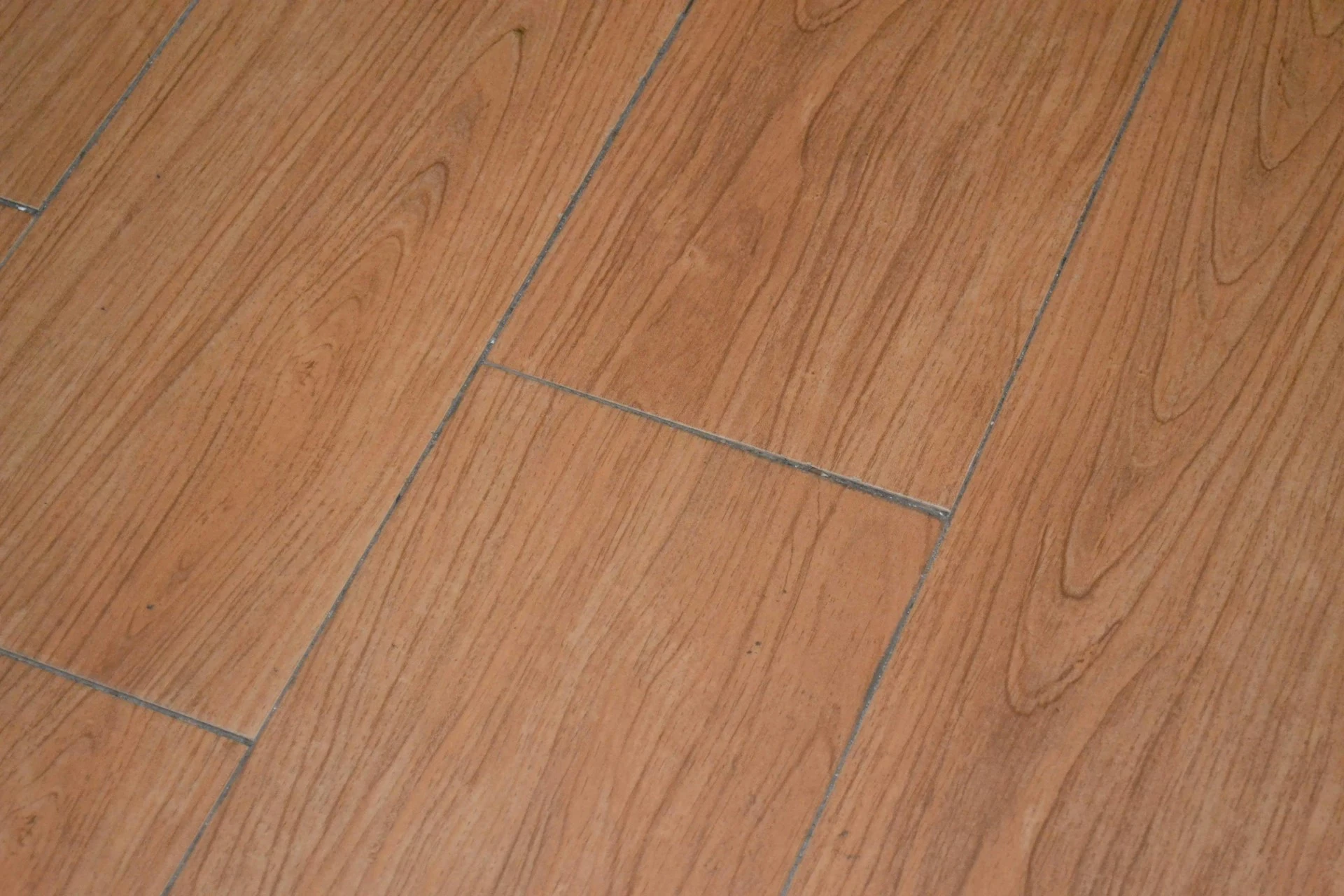
▎Service 03
Wooden Floor Polishing
Timber, parquet & engineered wood — 12–18 monthly
Specialist polishing services
Years floor polishing SG
Workmanship guarantee
Island-wide service
▎01 / Choose your service
Which floor needs polishing?
Each service uses different machines, chemicals and techniques specific to the floor material. The right service depends entirely on what your floor is made of.
▎Floor polishing
Marble Waxing
Applies a protective wax layer to restore natural gloss, block staining and reduce surface wear on marble and natural stone flooring. Produces an immediate visual transformation.
Duration
3–5 hrs (avg. HDB unit)
Frequency
Every 6–12 months
Dry time
2–3 hrs light traffic
▎Floor polishing
Cement Floor Polishing
Grinds and seals concrete and cement screed to achieve a smooth, dust-resistant surface in matte or glossy finish. Popular for modern minimalist interiors and industrial-look offices.
Duration
4–8 hrs (avg. area)
Frequency
Every 12–24 months
cure time
4–8 hrs sealer cure
▎Floor polishing
Wooden Floor Polishing
Sands back the timber surface to remove scratches, stains and old lacquer, then applies fresh protective coating to restore the natural warmth and grain of the wood.
Duration
4–8 hrs (avg. area)
Frequency
Every 12–18 months
cure time
4–6 hrs light traffic
▎02 / Each service, explained
Three disciplines, one team.
Each of Lexsure’s three floor polishing services is a distinct specialist discipline — different equipment, different chemistry, different training. Here’s what each one involves and what it achieves.
▎Marble Waxing
Restoring what the stone already has.
Marble waxing cleans, de-stains, and applies a premium wax formulation that seals the stone’s micro-pores and buffs the surface to a high-gloss finish. The result is immediate — and protects the marble from absorbing new stains between treatments.
Singapore’s high humidity makes marble particularly susceptible to watermarking and bacterial growth in unsealed stone. Regular waxing is the most cost-effective maintenance strategy for marble floors.
▎Cement Floor Polishing
Turning raw concrete into a finished surface.
Cement floor polishing uses diamond grinding discs to progressively smooth the surface, then applies penetrating sealer to create a hardened, dust-free finish. The result is a modern, industrial-look floor suitable for residential and commercial use.
Unsealed cement is highly porous and produces fine dust under foot traffic. Polishing and sealing permanently resolves this — and dramatically improves the floor’s aesthetic and cleanability.
▎Wooden Floor Polishing
Recovering the grain beneath the damage.
Wooden floor polishing progressively sands back the surface using belt and orbital sanders to remove the old lacquer, scratches and staining — exposing the clean timber grain below. Fresh lacquer is then applied in multiple coats, drying to a clear protective finish.
Singapore’s humidity causes timber floors to develop surface checking over time. Regular lacquer refresh polishing (without full sand-back) extends the interval between costly full restorations.
▎03 / Service comparison
All three services, side by side.
A quick reference comparing the three floor polishing services across the practical criteria that matter most when planning your floor care.
| Criterion | Marble Waxing | Cement Polishing | Wooden Polishing |
|---|---|---|---|
| Floor materials | Marble, granite, travertine, limestone | Concrete, cement screed, microcement | Solid timber, parquet, engineered wood |
| Method | Stain removal → wax application → buffing | Diamond grinding → sealer penetration | Belt sanding → orbital → lacquer coating |
| Duration (avg. HDB area) | 3–5 hours | 4–8 hours | 4–8 hours |
| Disruption level | Low — mild detergent smell only | Medium — concrete dust, vacate area | High — sanding dust + lacquer fumes |
| Recommended frequency | Every 6–12 months | Every 12–24 months | Every 12–18 months |
| Light traffic after | 2–3 hours | 4–8 hours | 4–6 hours |
| Full furniture return | 12–24 hours | 24 hours | 24–48 hours |
| Can remove deep scratches | Partial (requires grinding for deep marks) | ✓ Grinding removes surface defects | ✓ Sanding removes scratches |
| Finish options | High gloss | Matte or high gloss | Matte, satin or gloss |
| Workmanship guarantee | 14 days | 14 days | 14 days |
04 / How each service works
Different process, same standard.
Each service follows a structured step-by-step process specific to the floor material. All are carried out by Lexsure’s in-house crew — no subcontractors, consistent results.
▎Marble Waxing · 5 steps
1
Surface cleaning
Remove dust, grit and surface deposits that would trap under the wax.
2
Deep stain removal
Targeted treatment of coffee, oil, rust and organic stains.
3
Wax application
High-quality wax applied evenly with professional applicator pads.
4
Polishing & buffing
High-speed buff to achieve smooth, gloss finish.
5
Inspection & handover
Even coverage check. Maintenance guide and guarantee issued.
▎Cement Polishing · 5 steps
1
Surface assessment
Check for cracks, contamination and moisture. Repair before grinding.
2
Diamond grinding
Progressive grinding with coarse then fine diamond pads to smooth the surface.
3
Densifier application
Penetrating densifier hardens the surface and reduces porosity.
4
Sealer application
Topical sealer for dust-proofing and the desired gloss level.
5
Cure & handover
Sealer cure. Cure time confirmed. Maintenance guide issued.
▎Wooden Polishing · 5 steps
1
Prep & furniture clear
Skirting protected, all furniture cleared, floor assessed for depth of sanding required.
2
Belt sanding
Coarse belt sander removes old lacquer, scratches and staining down to bare timber.
3
Fine orbital sanding
Progressive fine-grit orbital sanding for smooth grain surface.
4
Lacquer coats
2–3 coats of water or oil-based lacquer, with light denib between coats.
5
Final cure & handover
Full cure time confirmed. Maintenance card and guarantee issued.
▎05 / After-service care
Maintaining your freshly polished floor.
The right aftercare extends the life of your polish result. Each floor type needs a slightly different maintenance routine — here’s what our team provides at handover.
▎Marble Waxing
Marble & Stone Care
- Damp mop with pH-neutral cleaner
- Never use acidic cleaners (vinegar, citrus, bleach)
- Wipe spills immediately — especially coffee, wine, citrus
- Use entrance mats to reduce grit abrasion
- Avoid abrasive scourers on the surface
▎Cement Polishing
Concrete & Cement Care
- Sweep or dust-mop daily to remove grit
- Damp mop with neutral pH cleaner weekly
- Re-apply topical sealer annually for high-traffic areas
- Avoid dragging heavy equipment without protection
- Clean oil spills immediately — penetrating stains are difficult to remove
▎Wooden Polishing
Timber Floor Care
- Sweep or microfibre mop daily — grit scratches lacquer
- Damp mop only — never wet mop timber floors
- Avoid steam mops which cause lacquer delamination
- Use felt pads under furniture legs
- Maintain indoor humidity 45–65% to minimise expansion/contraction
▎06 / FAQ
Floor polishing questions, answered.
Common questions Singapore homeowners and property managers ask before booking floor polishing. For a specific assessment, WhatsApp our team directly.
What types of floor polishing does Lexsure offer in Singapore?
Lexsure offers three specialist floor polishing services: marble waxing for marble, granite and natural stone; cement floor polishing for concrete and cement screed; and wooden floor polishing for solid timber and parquet. Each uses different equipment, chemicals and techniques suited to the floor material — they are not interchangeable.
How do I know which floor polishing service I need?
The service depends entirely on your floor material. Marble or granite → marble waxing. Concrete or cement screed → cement polishing. Solid timber, parquet or engineered wood → wooden floor polishing. If you’re unsure, send our team a photo via WhatsApp and we’ll identify the floor type and recommend the correct service at no charge.
Can you polish LVT, SPC or vinyl flooring?
No — and we strongly advise against it. LVT, SPC and vinyl floors have a factory-applied PUR wear layer that should never be polished, waxed or sealed. Adding any treatment on top damages the wear layer, dulls the surface and voids the manufacturer warranty. Vinyl maintenance is simply a damp mop with neutral pH cleaner.
How long does floor polishing take?
For an average HDB or condo living and dining area (40–60 m²): marble waxing 3–5 hours; cement polishing 4–8 hours; wooden floor polishing 4–8 hours. Larger areas or floors in worse condition take proportionally longer. All furniture must be cleared before our crew arrives.
How often should floor polishing be done?
Recommended frequencies: marble waxing every 6–12 months; cement floor polishing every 12–24 months; wooden floor lacquer refresh every 12–18 months (full sand-back every 5–7 years). Higher traffic accelerates the need. Our team will assess your floor’s current condition and recommend the right interval during the free site visit.
Is floor polishing disruptive? Can I stay home during the work?
It depends on the service. Marble waxing produces minimal disruption — mild cleaner smell, no dust — residents can typically stay in other rooms. Cement grinding produces concrete dust — the area must be vacated during work. Wooden floor polishing produces significant sanding dust and lacquer fumes — residents should vacate the property during work and for several hours afterwards. Our team will confirm requirements for your specific service.
Do you service commercial properties?
Yes — Lexsure polishes floors in offices, retail stores, hotels, F&B outlets and healthcare facilities island-wide. Commercial work is often scheduled after hours or on weekends to avoid business disruption. We provide completion documentation for property and facilities managers.
Do you offer a workmanship guarantee on floor polishing?
Yes — all Lexsure floor polishing services carry a 14-day workmanship guarantee. If you notice uneven finish, missed areas or any defect in the polishing result within 14 days of completion, we will return and rectify at no charge. Guarantee terms are confirmed in writing on the quotation issued before work commences.
Book a free floor assessment.
Tell us your floor type and area — we’ll confirm the right service, provide a written quote and schedule at a time that suits you. Residential and commercial, island-wide.