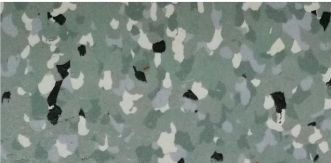
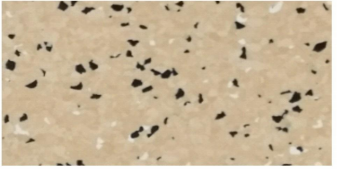
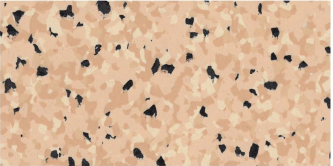
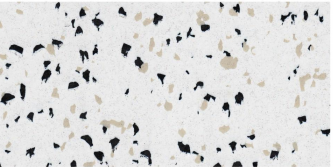
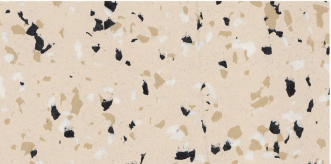
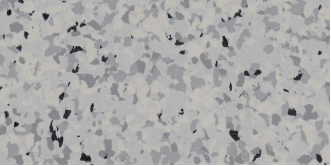
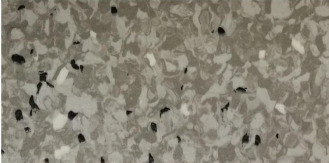
Singapore’s certified ESD anti-static vinyl flooring specialist. Lexsure supplies and installs ANSI/ESD S20.20 and IEC 61340-5-1 compliant tiles and rolls for electronics manufacturing, semiconductor and PCB facilities, cleanrooms, server rooms, laboratories and medical environments. Static-dissipative resistance values verified factory-test and post-install — full audit documentation supplied.
Stocked SKUs
Resistance Range Ω
ANSI/ESD Compliant
Test Reports Issued
Static discharge silently damages PCBs, semiconductors and medical devices. In Singapore’s tightly regulated electronics, semiconductor, pharmaceutical and data-centre sectors, certified static control isn’t optional — it’s an audit requirement.
Prevents electrostatic discharge from damaging semiconductors, PCBs, medical devices and sensitive instrumentation. Eliminates costly silent-failure modes.
Meets ANSI/ESD S20.20, IEC 61340-5-1 and customer-audit requirements. Test certificates and copper-grid layouts supplied with every project.
Seamless heat-welded vinyl rolls suitable for ISO Class 5 to 8 cleanroom installations. Chemical-resistant surfaces clean with neutral pH detergent.
Static-dissipative range 10⁶–10⁹ ohms verified by factory test and confirmed in-situ post-install. Annual re-verification offered as after-sales service.
Continuous copper drainage grid bonded to building earth, with grounding-point continuity verified post-install. Drawings issued at handover.
Withstands continuous heavy traffic, equipment movement and chemical exposure. PUR-treated wear surface eliminates wax and seal-coat maintenance.
▎Specified across —
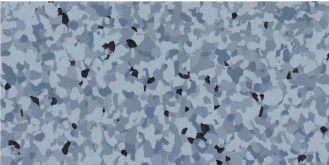
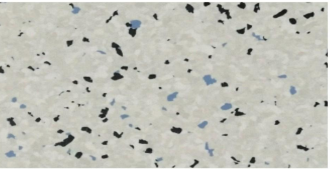
Modular 600×600mm static-dissipative tiles. Ideal for retrofits, server rooms and controlled environments where individual tile replacement and minimal downtime matter.
▎Format
▎Thickness
▎Resistance
▎Install
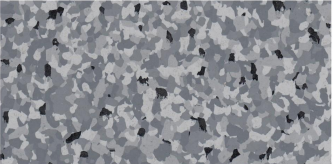
Seamless static-dissipative roll goods for large-area installations requiring minimal joints. Specified for cleanrooms, production floors, laboratories and electronics manufacturing.
▎Format
▎Thickness
▎Resistance
▎Install
Both formats deliver the same static-dissipative performance — the choice is driven by facility type, joint tolerance, retrofit constraints and serviceability needs.
| Specification | ESD Vinyl Tiles | ESD Vinyl Rolls |
|---|---|---|
| Best for | Server rooms, retrofits, modular spaces | Cleanrooms, production lines, labs |
| Format | 600 × 600 mm modular tiles | 2.0 m wide seamless roll |
| Thickness | 2.0 mm | 2.0 – 3.0 mm |
| Resistance range | 10⁶ – 10⁹ Ω | 10⁶ – 10⁹ Ω |
| Standards | ANSI/ESD S20.20, IEC 61340 | ANSI/ESD S20.20, IEC 61340 |
| Joint type | Butt-jointed, glue-down | Heat-welded continuous seam |
| Cleanroom suitable | ISO Class 7–8 | ISO Class 5–8 |
| Individual repair | ✓ Tile-level swap | — Patch and re-weld |
| Install speed (per 100 sqm) | 1.5 – 2 days | 2 – 3 days |
| Copper grid grounding | ✓ | ✓ |
| Audit documentation | ✓ Full set | ✓ Full set |

ESD flooring only protects equipment if it’s installed, grounded and verified correctly. Our in-house crew handles every step — and we issue the test certificate at handover.
Substrate moisture testing, existing earth-bond verification, facility class confirmation. Specification matched to ANSI/ESD S20.20 requirements.
Subfloor preparation, levelling, copper grid laid in 3m×3m pattern, terminated at copper drain points connected to building earth.
Conductive adhesive, vinyl bonded over copper grid. Heat-welded seams for roll goods. Coving and skirting where specified.
In-situ resistance testing per ESD STM7.1. Pass-readings logged. Test certificate, copper-grid drawing and maintenance schedule issued at handover.
Common questions facility managers, project engineers and consultants ask before specifying ESD flooring in Singapore. For project-specific technical queries, message our team direct.
For most electronics manufacturing applications per ANSI/ESD S20.20, flooring should measure between 10⁶ and 10⁹ ohms — the static-dissipative range. Lexsure’s ESD tiles and rolls are factory-tested to meet this standard, and we issue test certificates with every project to support facility audits and ISO certification renewals.
Conductive flooring measures less than 10⁶ ohms — used in highly sensitive environments like munitions handling. Static-dissipative flooring measures 10⁶ to 10⁹ ohms — the standard for electronics manufacturing, cleanrooms and labs per ANSI/ESD S20.20. Anti-static flooring measures 10⁹ to 10¹¹ ohms — suitable for office and light commercial environments. Most Singapore semiconductor and electronics facilities require static-dissipative.
Yes, in many cases. Our ESD vinyl can be installed over concrete, epoxy or existing vinyl with proper substrate preparation, moisture testing and copper grounding strip installation. Our team will assess your subfloor during a free site visit and supply a written specification before any work commences.
Yes. Every Lexsure ESD flooring project includes factory test certificates (resistance values per ANSI/ESD STM7.1), installation records showing copper grid layout and grounding points, and post-install in-situ resistance verification readings. All documentation is audit-ready for ISO 9001, ISO 14644 cleanroom certification and customer factory audits.
ESD tiles (600×600mm modular) suit retrofits, server rooms and areas where individual tile replacement is needed for serviceability. ESD rolls (seamless sheet) suit cleanrooms, production floors and labs where minimising joints is critical for hygiene and continuous grounding. Heat-welded roll seams give the highest level of cleanability and are preferred for ISO Class 5–8 cleanroom installations.
Lexsure installs a copper grid grounding network beneath the ESD vinyl (typically 3m×3m grid pattern) connected to copper drain points which terminate at the building’s earth bond. Each grounding point is verified for continuity post-install. Copper grid layout drawings are issued as part of the project handover documentation.
Standard maintenance uses a damp mop with neutral pH cleaner — never wax, polish or seal coatings, which insulate the surface and destroy ESD performance. We supply a maintenance schedule with every project. Recommended periodic resistance testing (annually) verifies ongoing compliance and is offered as part of our after-sales service.
Typical install lead-times: 200 sqm or less = 5–7 working days; 500 sqm = 10–14 working days; over 1,000 sqm = phased programme to suit facility uptime. Cleanroom installations are typically scheduled outside production hours. Site survey is usually within 2–3 working days of enquiry.
Speak to our technical team. We’ll review your facility class, audit requirements, equipment sensitivity and existing earth-bond and quote the right specification within one working day.