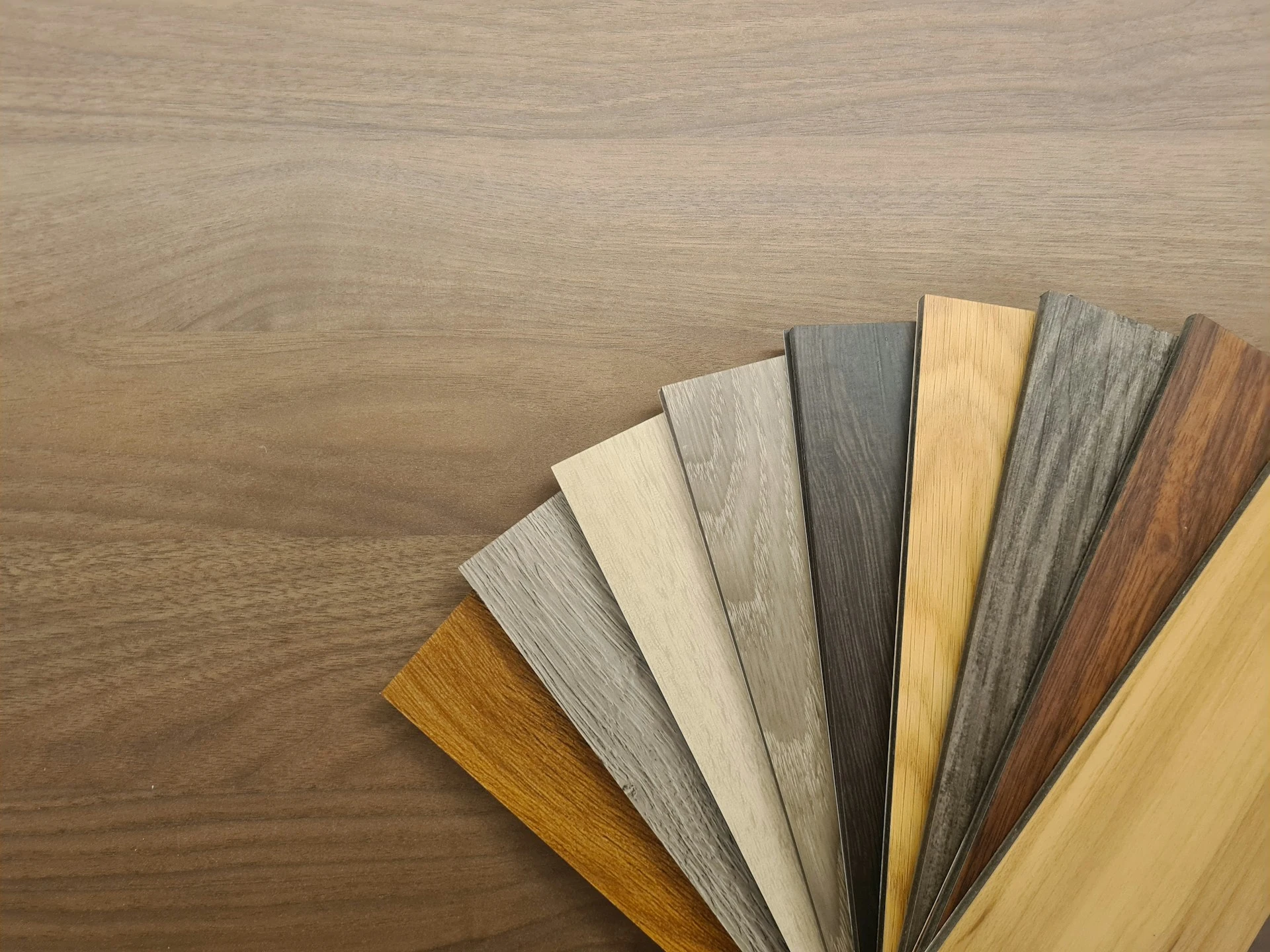
Vinyl flooring is no longer just a budget option. Today’s vinyl is a sophisticated, high-performance product that looks premium, lasts for years, and outperforms most alternatives in Singapore’s humid climate.
Whether you are renovating an HDB flat, upgrading an office, or planning a commercial fit-out, this guide from Lexsure Flooring covers everything you need to know — from understanding the different types of vinyl to choosing the right supplier and installation method.
Why Vinyl Flooring Works So Well in Singapore
Singapore’s average relative humidity sits above 80% year-round. That is genuinely tough on flooring materials.
Solid timber warps and gaps in the humidity. Laminate swells when moisture gets under the seams. Even some vinyl products degrade over time if they are poorly specified or incorrectly installed.
Good quality vinyl flooring is built for these conditions. Its core material — polyvinyl chloride — does not absorb moisture. It does not expand or contract with humidity changes. And it does not need specialist treatments to maintain its performance in Singapore’s tropical environment.
That makes vinyl one of the most practical flooring choices available — for homes and businesses alike.
The Different Types of Vinyl Flooring
The vinyl flooring category covers several distinct product types. Our full comparison of laminate, vinyl, and high-end resilient flooring covers the broader landscape — but here is a focused breakdown of vinyl types specifically:
SPC Flooring (Stone Plastic Composite)
SPC is the most popular vinyl type in Singapore right now — particularly for HDB and condo renovations. It has a rigid core made from limestone powder and PVC, giving it exceptional dimensional stability and making it completely waterproof throughout its thickness.
SPC is the right choice when you need maximum rigidity and dent resistance, when your subfloor has minor imperfections, or when the space sees high moisture levels. For resale HDB flats, SPC can often be laid directly over existing tiles — skipping the hacking process and saving significant time and cost.
LVT (Luxury Vinyl Tile)
LVT is a broad category of premium vinyl products available in tile and plank formats. It offers more design variety than SPC — including large-format stone tiles, herringbone layouts, and richly textured finishes. Explore Lexsure’s LVT collection to see the full range of options for your space.
Homogeneous Vinyl Flooring
Homogeneous vinyl has colour and design running through its full thickness — there is no separate wear layer. This gives it extraordinary durability in ultra-high-traffic environments. It is also available in low-VOC formulations for projects pursuing BCA Green Mark certification, and tiles or sheets can be thermally welded for a fully seamless surface.
Vinyl Sheet Flooring
Vinyl sheet is supplied in wide rolls and adhered without seams — the most hygienic vinyl surface available. No joints for moisture or bacteria to accumulate in. Commonly used in kitchens, bathrooms, and healthcare settings where hygiene is a top priority.
ESD Vinyl Flooring
ESD (Electrostatic Discharge) vinyl is a specialist product for environments where static build-up can damage equipment or create safety risks. Lexsure is one of very few Singapore companies offering ESD vinyl as a standard product — making us the preferred supplier for data centres, electronics manufacturers, and medical device labs.
How Vinyl Compares to Other Flooring Types
Vinyl vs Laminate
Laminate uses a wood-fibre core that absorbs moisture if water gets into the seams. In Singapore’s humid environment, this can cause swelling and permanent damage. Vinyl’s PVC composition is inherently waterproof throughout — a clear advantage in our climate.
Vinyl vs Solid Timber
Solid timber is beautiful but ill-suited to Singapore’s humidity without meticulous climate control. It can warp, cup, and develop surface cracks over time. Vinyl replicates the look of timber with high realism while being completely immune to these issues.
Vinyl vs Ceramic Tiles
Tiles are durable and waterproof, but cold and hard underfoot, acoustically harsh, and require regular grout cleaning. Vinyl offers comparable water resistance with a warmer feel, better acoustics, and zero grout maintenance.
A Note for HDB Flat Owners
Before starting any flooring renovation in an HDB flat, it is important to understand what is allowed. HDB’s flooring renovation guidelines specify that works involving the removal or replacement of floor finishes require a permit. The HDB renovation permit guide on myNiceHome is an easy-to-follow resource covering what requires approval and how to apply.
Lexsure’s team is experienced in HDB renovation requirements and can help you navigate the process correctly from the start.
5 Things to Check Before You Buy Vinyl Flooring
1. Wear Layer Thickness
The clear protective coat on the surface determines how long your floor looks good. For general residential use, 0.3mm is the minimum. For households with children, pets, or heavy furniture, 0.5mm is recommended. For busy commercial environments, 0.55mm or above is appropriate.
2. Core Type and Thickness
Thicker floors bridge subfloor imperfections better and feel more solid underfoot. SPC cores are rigid and dense — ideal for high-traffic and moisture-prone areas. Standard LVT cores are slightly more flexible and can feel marginally warmer in residential settings.
3. Surface Texture
Embossed-in-register (EIR) textures align the tactile surface feel with the printed pattern — creating a more convincingly realistic floor. Matte finishes conceal everyday scratches better than gloss. For wet areas, textured surfaces also improve slip resistance.
4. Format and Layout
Wider planks and larger tiles make rooms feel more spacious — important in compact Singapore apartments. Herringbone and chevron patterns add visual interest and a premium feel.
5. Supplier and Installation Quality
The quality of your installation matters just as much as the quality of the product. Poor subfloor preparation, the wrong adhesive, or badly aligned seams will compromise even the best vinyl floor. Choosing a supplier with an in-house installation team — like Lexsure — ensures consistent quality and clear accountability from purchase to project completion.
What to Expect During Installation
- Site assessment — subfloor condition check, moisture testing, levelness inspection.
- Subfloor preparation — levelling, grinding, or priming as needed for a flat, dry, stable base.
- Overlay or full installation — for resale HDB flats with flat existing tiles, vinyl can often be overlaid directly, eliminating hacking costs.
- Click-lock or glue-down — selected based on the product and space requirements.
- Skirting, trims, and transitions — professional finishing for a clean, polished result.
- Final inspection — thorough walkthrough before handover to ensure full client satisfaction.
How to Keep Your Vinyl Floor Looking Its Best
- Daily: Sweep or vacuum to remove dust and grit.
- Weekly: Damp mop with a pH-neutral, vinyl-compatible cleaner. No steam mops, no abrasive products.
- Furniture: Felt pads under chair and table legs. Castor cups under heavy office equipment.
- Sun exposure: Blinds or UV-filtering film in rooms with direct, prolonged sunlight.
Lexsure also offers professional polishing and deep cleaning services across Singapore for vinyl floors that need a full refresh.
Get Your Free Vinyl Flooring Quote
Lexsure is Singapore’s trusted direct OEM vinyl flooring supplier — offering SPC, LVT, ESD, vinyl flooring with professional in-house installation for homes and businesses.
Contact us today for a free consultation. Visit 25 Bukit Batok Crescent #01-04, Singapore, call +65 8299 7185, or email [email protected]. Open 7 days a week.