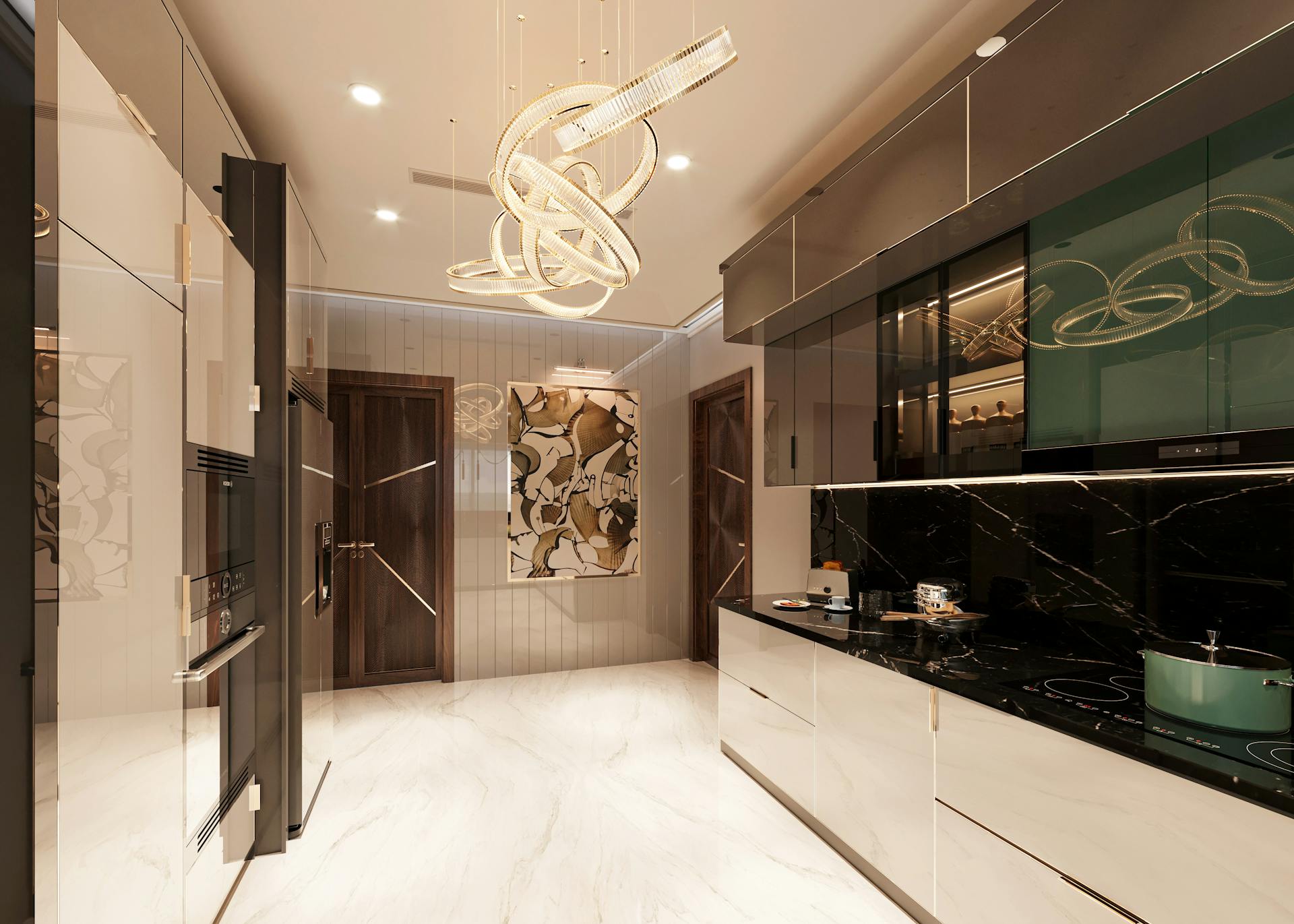
Marble flooring is one of Singapore’s most enduring luxury choices. You find it in condominium lobbies, landed property entrances, hotel corridors, and high-end retail environments across the island. Its veined, crystalline beauty is difficult to replicate — but marble is also one of the most demanding flooring materials to maintain correctly.
In Singapore’s humid climate, with constant air-conditioning creating condensation effects and the heavy foot traffic of a busy household or commercial space, marble floors deteriorate faster than many owners realise — unless they receive the right care at the right intervals.
Marble floor polishing is not just about aesthetics. It is how marble stays structurally sound, chemically resistant, and looking the way it did when it was installed.
Lexsure Flooring’s professional floor polishing service covers marble restoration and maintenance across Singapore. This guide explains what marble polishing involves, when you need it, and what the process looks like.
Why Marble Needs Regular Polishing in Singapore
Marble is a natural stone — calcium carbonate in crystalline form. That chemistry makes it beautiful, but also reactive. Marble is vulnerable to:
Acid etching — contact with acidic substances (citrus juice, vinegar, certain cleaning products, carbonated drinks) chemically reacts with the calcium carbonate surface, creating dull, cloudy patches called etch marks. In Singapore kitchens and dining areas, etch marks accumulate faster than most homeowners expect.
Scratch accumulation — fine grit and sand particles tracked in on footwear act as abrasives on marble’s relatively soft surface. Over months, this creates a network of microscopic scratches that collectively dull the polished finish.
Humidity effects — Singapore’s high ambient humidity, combined with the temperature differential created by air-conditioning, can cause subtle surface changes in marble over time — particularly in areas near windows and doorways.
Staining — marble is porous and absorbs liquids if they are not wiped up immediately. Coffee, red wine, cooking oil, and coloured cleaning products can all cause staining that penetrates the surface layer.
What Marble Floor Polishing Involves
Professional marble polishing is a multi-stage process that varies in intensity depending on the current condition of the floor. Lexsure’s marble waxing and polishing service covers the full range from routine maintenance polishing to deep restoration.
Stage 1: Cleaning and Assessment
The floor is thoroughly cleaned to remove surface dirt, grit, and residue. Our team assesses the extent of scratching, etching, and staining to determine the appropriate polishing intensity — from a light maintenance polish to a full diamond grinding restoration.
Stage 2: Grinding (if required)
For heavily scratched or etched marble, diamond-abrasive grinding removes the damaged surface layer and exposes fresh, undamaged stone beneath. This process uses progressively finer diamond pads — starting at 50–100 grit for severe damage and working up through 200, 400, 800 grit — until the surface is smooth and flat.
Stage 3: Honing
Honing uses fine abrasive pads to create a smooth, consistent surface across the entire floor. This stage removes deeper scratch marks, levels out any uneven sections, and prepares the stone for polishing. The finish at this stage is a smooth matte — all depth, no shine.
Stage 4: Polishing
Polishing uses very fine abrasive compounds and polishing powders that react chemically with the calcium carbonate surface to create a crystalline reflective finish. This brings marble back to its signature high-gloss appearance. Our team uses professional compounds calibrated for the specific marble variety — Carrara, Calacatta, Emperador, and others respond differently to polishing chemicals.
Stage 5: Sealing
Once polished, the marble is sealed with a penetrating impregnator sealer that reduces the stone’s porosity — protecting against future staining and slowing the rate of etch mark development.
How Often Does Marble Need Polishing in Singapore?
- Residential main entrance and living areas — maintenance polishing every 12–18 months.
- Kitchen marble countertops and backsplashes — assessment every 12 months; polishing when etch marks are visible.
- Commercial lobbies and corridors — maintenance polishing every 6–12 months depending on foot traffic volume.
- Hotel and hospitality marble — typically quarterly or semi-annual polishing as part of a structured maintenance programme.
Between professional treatments, the right daily care routine slows deterioration significantly. Refer to our guide on essential floor maintenance tips for the full daily care routine.
What to Avoid on Marble Floors
- Acidic cleaners — vinegar-based and citrus-based cleaners are the most common cause of etch marks on Singapore marble floors.
- Steam mops — heat and moisture can cause surface micro-fracturing and are inappropriate for natural stone.
- Abrasive scrubbers — scratch the polished surface permanently.
- Bleach — causes discolouration and surface damage on marble.
- Allowing spills to sit — wipe liquid spills immediately before they penetrate the stone surface.
Lexsure’s Marble Polishing Service
Lexsure’s professional team carries out marble polishing and restoration for residential and commercial clients across Singapore using professional-grade diamond grinding equipment, appropriate polishing compounds, and long-lasting sealing products.
We cover residential marble floors, commercial marble in lobbies and corridors, marble countertops and feature walls, and periodic maintenance programmes for commercial facilities. The National Environment Agency (NEA) governs the disposal of polishing compounds and chemical waste — Lexsure follows all applicable environmental compliance requirements.
Book a Free Marble Floor Assessment
Contact Lexsure Flooring to book a free marble floor assessment. Our team will inspect your floor’s current condition and provide a detailed recommendation and proposal.
Visit us at 25 Bukit Batok Crescent #01-04, Singapore, call +65 8299 7185, or email [email protected]. Open 7 days a week.