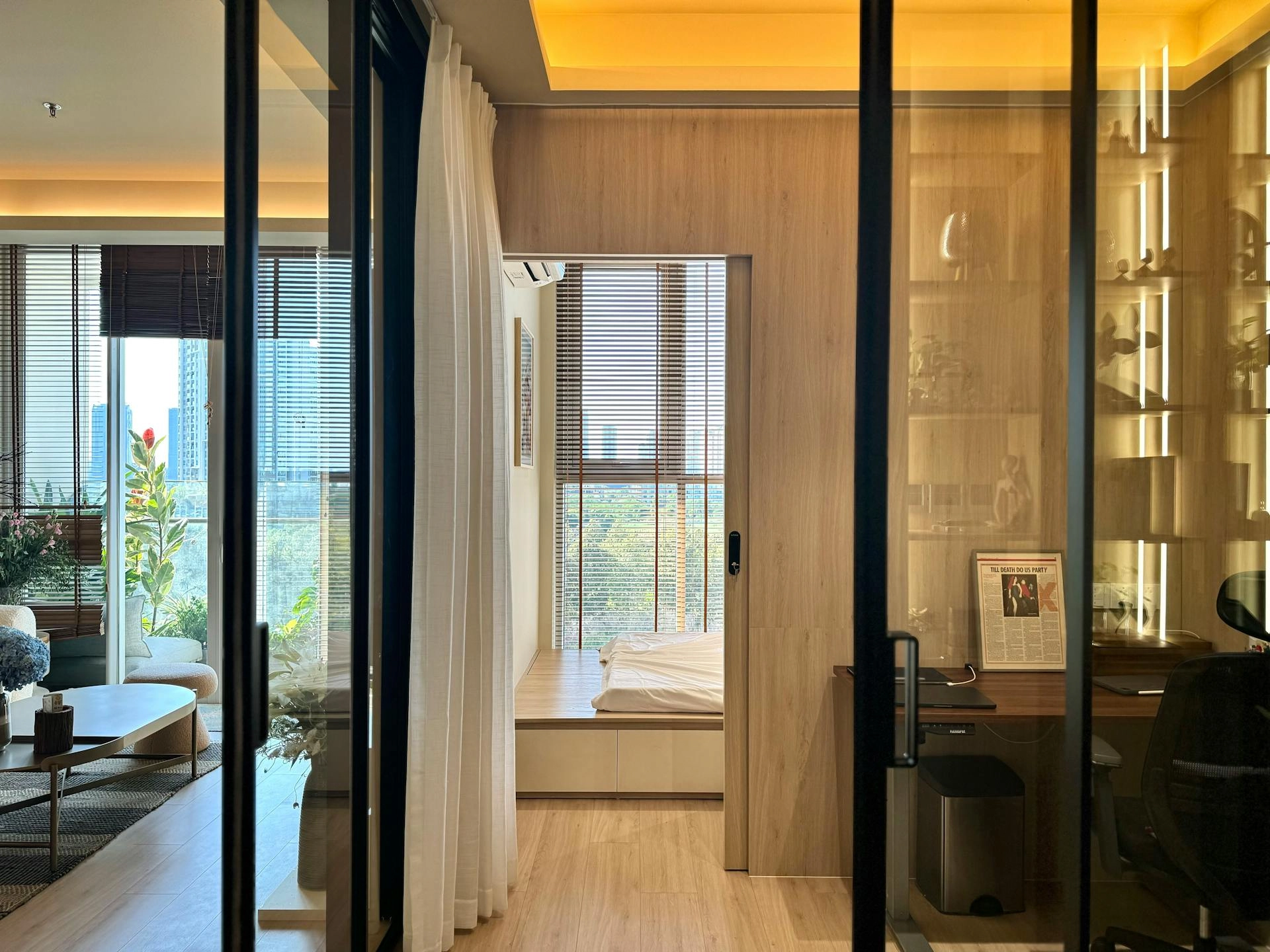
Renovating a Singapore condominium presents a different set of opportunities — and constraints — compared to an HDB flat. Condos typically offer more design freedom, larger floor areas, and often higher renovation budgets. But they also come with their own rules, management corporation requirements, and practical considerations that affect your flooring choices.
Whether you are renovating a newly purchased resale unit, freshening up a rental investment property, or fitting out a brand-new condo from bare screed, this guide from Lexsure Flooring covers everything you need to know about condo flooring in Singapore.
Condo vs HDB: Key Differences That Affect Your Flooring Decision
The most important difference for flooring purposes is that condominiums are governed by Management Corporation Strata Title (MCST) rules rather than HDB regulations. Each condo’s MCST sets its own specific requirements — these can include noise insulation ratings for flooring (particularly in upper-floor units), restrictions on hacking hours, and sometimes material specifications.
Before choosing flooring for your Singapore condo, confirm with your MCST:
- Whether there is a minimum Impact Insulation Class (IIC) or acoustic rating required for flooring.
- Whether hacking of existing floors is permitted and during which hours.
- Whether any specific flooring types or installation methods are restricted.
Lexsure’s team is experienced with condo renovation requirements across Singapore’s major developments and can advise you on what is and is not appropriate for your specific building.
The Best Flooring Options for Singapore Condominiums
SPC Vinyl Flooring — Practical Choice for All Condo Types
SPC flooring is as well-suited to Singapore condominiums as it is to HDB flats. Completely waterproof, dimensionally stable in our humidity, durable under daily family or tenant use, and available in hundreds of premium finishes. The pre-attached acoustic underlayment on quality SPC products helps meet MCST noise insulation requirements in upper-floor units.
For resale condos with existing tiles, SPC overlay is often viable — subject to total floor height assessment. Read our full SPC flooring guide for more detail.
LVT — Premium Aesthetics for Design-Focused Renovations
For condo owners who want a more distinctive, design-forward floor, LVT offers greater variety in format, texture, and finish. Large-format stone tiles (600mm × 600mm and above), herringbone plank layouts, and premium marble-look finishes all become more accessible with LVT.
Glue-down LVT in high-traffic condo common areas — such as entrance foyers, kitchen dining areas, and open-plan living and dining zones — provides maximum stability and eliminates any hollow underfoot sound.
Engineered Wood — For Bedrooms in Climate-Controlled Condos
Unlike solid timber, engineered wood uses a real-wood veneer over a plywood or HDF core — giving it better moisture resistance than solid timber while retaining the warmth and authenticity of natural wood.
For condo bedrooms that are consistently air-conditioned, engineered wood is a viable premium option. However, in spaces that experience frequent humidity fluctuation — balcony-adjacent areas, kitchens, or rooms that are not consistently air-conditioned — vinyl alternatives are the safer long-term choice.
Marble and Porcelain Tiles — For Wet Areas
In condo bathrooms, kitchens, and balconies, tiles remain the standard recommendation. For the wet areas of a condo renovation, Lexsure focuses on vinyl for dry areas and can advise on tile compatibility for the transition zones.
Acoustic Considerations for Condo Upper Floors
Acoustic compliance is one of the most frequently discussed topics in Singapore condo renovation. Many MCST rules specify a minimum IIC rating for flooring in upper-floor units — typically IIC 45 or above.
SPC and LVT products with quality acoustic backing layers generally meet or approach standard MCST acoustic requirements. The addition of a separate acoustic underlay beneath a click-lock SPC floor can boost acoustic performance further if your MCST’s requirements are strict.
During our site assessment, Lexsure’s team will review your MCST’s specific acoustic requirements and recommend a flooring solution that meets them without requiring additional specialist materials.
Flooring for Condo Balconies
Condo balconies are one of the most rewarding spaces to renovate — but they require outdoor-rated materials. For balcony floors, Lexsure recommends composite decking — weather-resistant, UV-stable, splinter-free, and far lower maintenance than solid timber.
Composite decking also pairs beautifully with fluted wall panels on the balcony wall — creating a cohesive, resort-quality outdoor aesthetic that extends the living space visually.
Choosing Flooring for a Condo Investment Property
If you are renovating a condo for rental purposes, durability and ease of maintenance take priority over bespoke aesthetics. Neutral-toned SPC or LVT in a standard plank format is the optimal choice — it appeals to the broadest range of tenants, withstands the wear of multiple tenancy cycles, and is easy to clean between tenants. Avoid light carpeting, engineered wood, or any high-maintenance material in rental investment properties.
Singapore’s Green Building Standards and Condo Flooring
Singapore’s built environment is increasingly shaped by green building requirements. BCA Green Mark certification — applicable to new condo developments and major retrofits — recognises the use of low-VOC interior finishes including flooring. Lexsure can supply low-VOC LVT and vinyl products for projects where Green Mark or equivalent certifications apply.
Get a Free Condo Flooring Consultation
Contact Lexsure Flooring for a free site assessment at your Singapore condominium. We will review your MCST requirements, measure the space, and provide a detailed flooring recommendation and proposal.
Visit us at 25 Bukit Batok Crescent #01-04, Singapore, call +65 8299 7185, or email [email protected]. Open 7 days a week.