Walk through the older districts of Singapore and terrazzo is everywhere. Toa Payoh town centre. Tiong Bahru shophouses. The corridors of 1960s and 1970s HDB blocks. The lobbies of government buildings that predate air-conditioning.
Terrazzo was Singapore’s floor of choice for decades before ceramic tiles and vinyl took over. It is durable, distinctive and genuinely beautiful in the right setting. And right now, after years of being covered, removed or simply ignored, it is experiencing a genuine design revival.
What Terrazzo Is
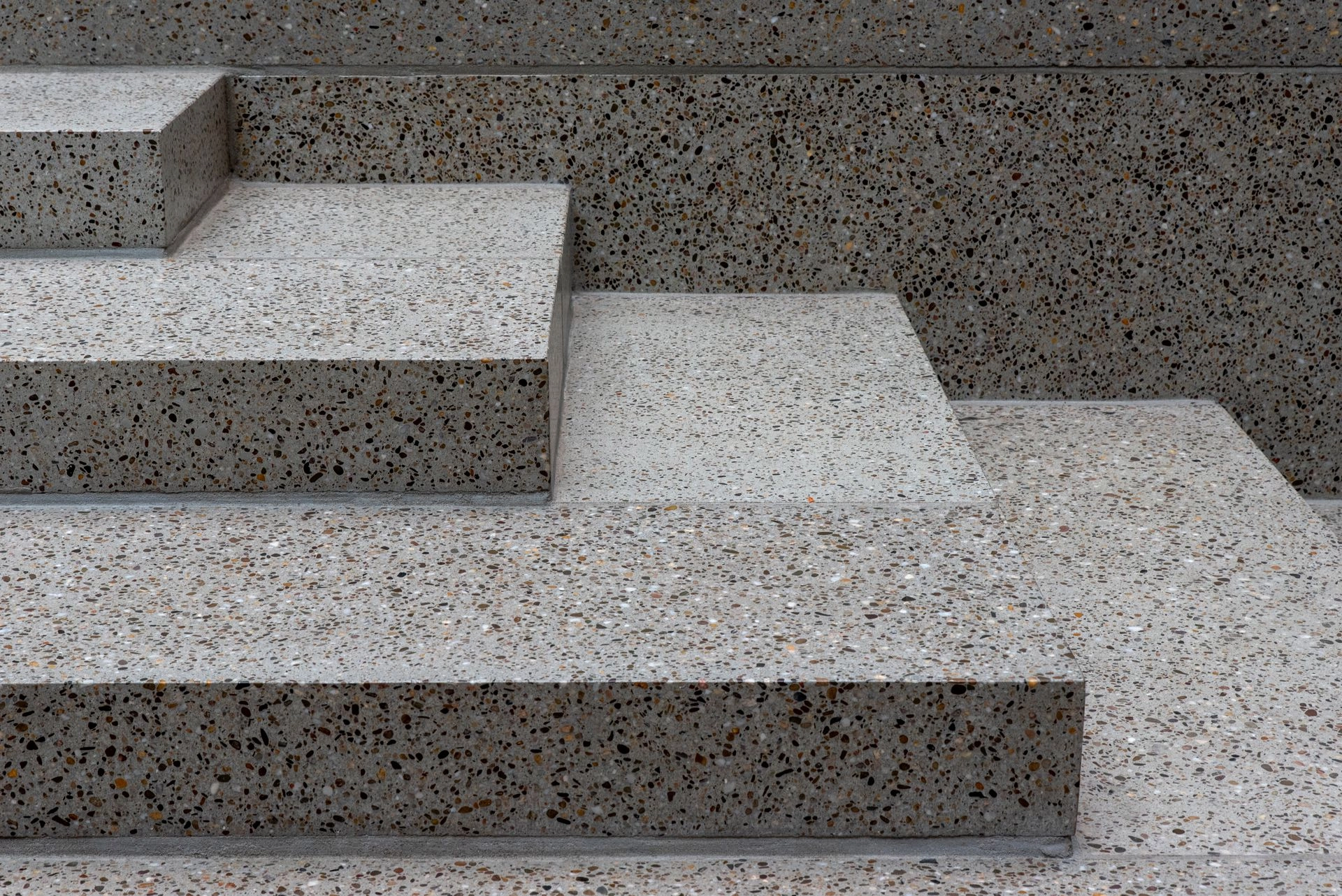
Terrazzo is a composite material made from marble, quartz, granite or glass chips set into a cement or resin binder, poured and then ground and polished smooth. The result is a floor with depth and visual complexity that changes as you move across it — the aggregate catches the light differently at different angles and distances.
The traditional version is cement-based: aggregate is set in Portland cement, allowed to cure and then ground and polished progressively through finer grits until the surface is smooth and reflective. This is what you find in Singapore’s older buildings.
Contemporary terrazzo uses epoxy or polyurethane resin binders instead of cement. Resin terrazzo cures faster, allows thinner installations and produces more vibrant colour results — which is why the design community has embraced it for new hospitality and retail projects where the aesthetic possibilities extend well beyond grey chips in grey cement.
Why It Is Having a Moment in Singapore
Three things have converged. First, there is a genuine design movement toward materials with visual complexity and character at a moment when many Singapore interiors have become very clean and minimal — terrazzo is the opposite of minimal. Second, sustainability awareness has pushed interest toward materials that last decades rather than years. Properly maintained terrazzo floors in Singapore buildings from the 1960s are still in service today. Third, the Instagram-driven interior design landscape has made distinctive, photogenic floors a priority. Terrazzo photographs beautifully.
In Singapore’s renovation market, this plays out in two distinct ways: homeowners and businesses discovering original terrazzo in older properties and choosing to restore it, and designers specifying new terrazzo for contemporary hospitality, retail and residential projects.
Restoring Original Terrazzo in Singapore Properties
If you have original cement terrazzo in a resale HDB flat, shophouse or older landed property, restoration is almost always worth pursuing before removal.
The restoration process follows a similar sequence to marble polishing. Grinding removes surface damage, staining and old sealers. Progressive polishing through finer diamond pads brings the surface to the desired sheen level. A penetrating sealer followed by a surface protector locks in the finish and reduces staining going forward.
Our cement floor polishing service covers terrazzo restoration alongside concrete and cement floor work. A well-restored terrazzo floor in a 1960s Singapore shophouse can look extraordinary — the aggregate becomes visible and the floor develops a depth of character that no new material can produce.
Before deciding to cover or remove original terrazzo, have it assessed. The condition of the binder and aggregate, the depth of any surface damage and the practical floor height situation (adding new flooring on top changes door clearances) all need to be evaluated. Sometimes the original floor is the best floor.
New Terrazzo Installations in Singapore
For new commercial projects — cafes, restaurants, hotel lobbies, retail spaces and boutique offices — contemporary resin terrazzo offers design possibilities that cement terrazzo cannot match.
Resin terrazzo can be poured in very thin layers, meaning it can go over existing surfaces without significantly raising the floor height. The aggregate and colour options are effectively unlimited. And the finished surface is more stain-resistant than traditional cement terrazzo when properly sealed.
For Singapore’s F&B sector in particular, terrazzo makes sense. It handles the heavy foot traffic, spills and daily cleaning of a busy restaurant without the maintenance overhead of natural stone. The visual effect is premium. And unlike tiles, there are no grout lines to clean.
Maintaining Terrazzo in Singapore
Terrazzo is durable but not indestructible. In Singapore’s specific conditions:
Use pH-neutral cleaners only. Acidic products etch the marble aggregate in cement terrazzo — the same reaction that damages marble floors. This includes many common household cleaners.
Seal regularly. The surface should be resealed every 1 to 3 years depending on traffic. A penetrating impregnator reduces porosity and keeps the floor looking clean between professional treatments.
Do not use abrasive scrubbing pads. These dull the polished surface permanently.
Schedule professional regrinding and repolishing when the surface becomes dull or shows surface damage. This is not a frequent requirement for a properly maintained terrazzo floor — perhaps every 10 to 15 years in residential use — but the work itself is significant when it is needed.
Singapore’s NEA regulates the waste disposal from grinding and polishing operations. Our team follows all applicable environmental requirements for polishing chemical disposal.
Terrazzo Questions?
Contact our team for a free assessment of your terrazzo floor or a discussion about new terrazzo specification for your Singapore project.
Call +65 8299 7185. WCEGA Tower, 21 Bukit Batok Crescent #12-78, Singapore. Open 7 days.