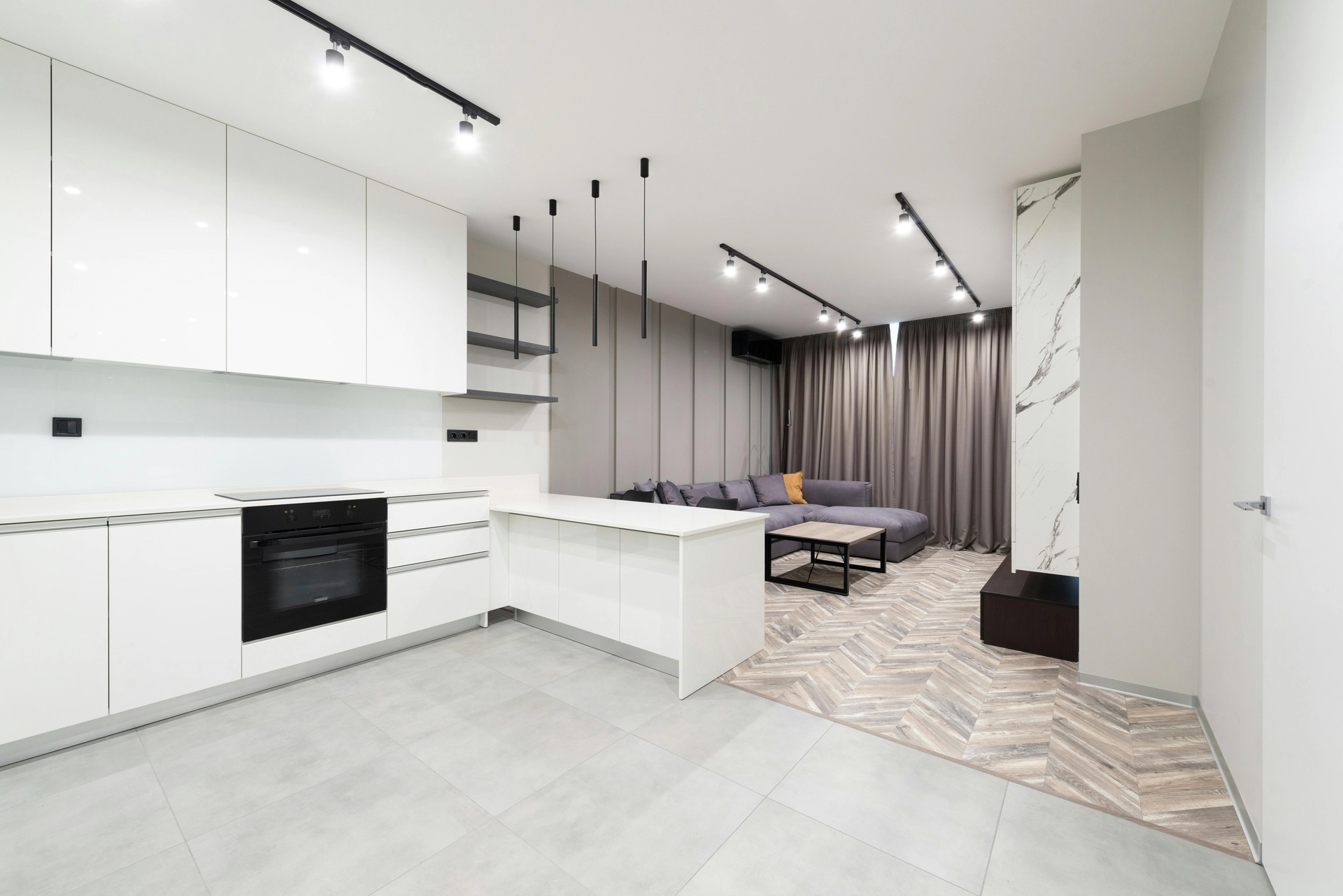
If you are renovating a Singapore home and trying to decide between vinyl vs tiles, you are looking at the two most popular flooring choices across the island — and a comparison that comes up in almost every HDB and condo renovation conversation.
Both have real strengths. Both have real limitations. And the best choice depends on your space, your lifestyle, your renovation budget, and how you plan to use the floor over the next decade.
In this guide, Lexsure Flooring gives you an honest side-by-side comparison so you can make the right call for your specific situation.
The Fundamental Difference
Tiles — ceramic or porcelain — are a hard, rigid material installed with adhesive mortar and grouted at the joints. They are exceptionally durable, fully waterproof, and cold underfoot.
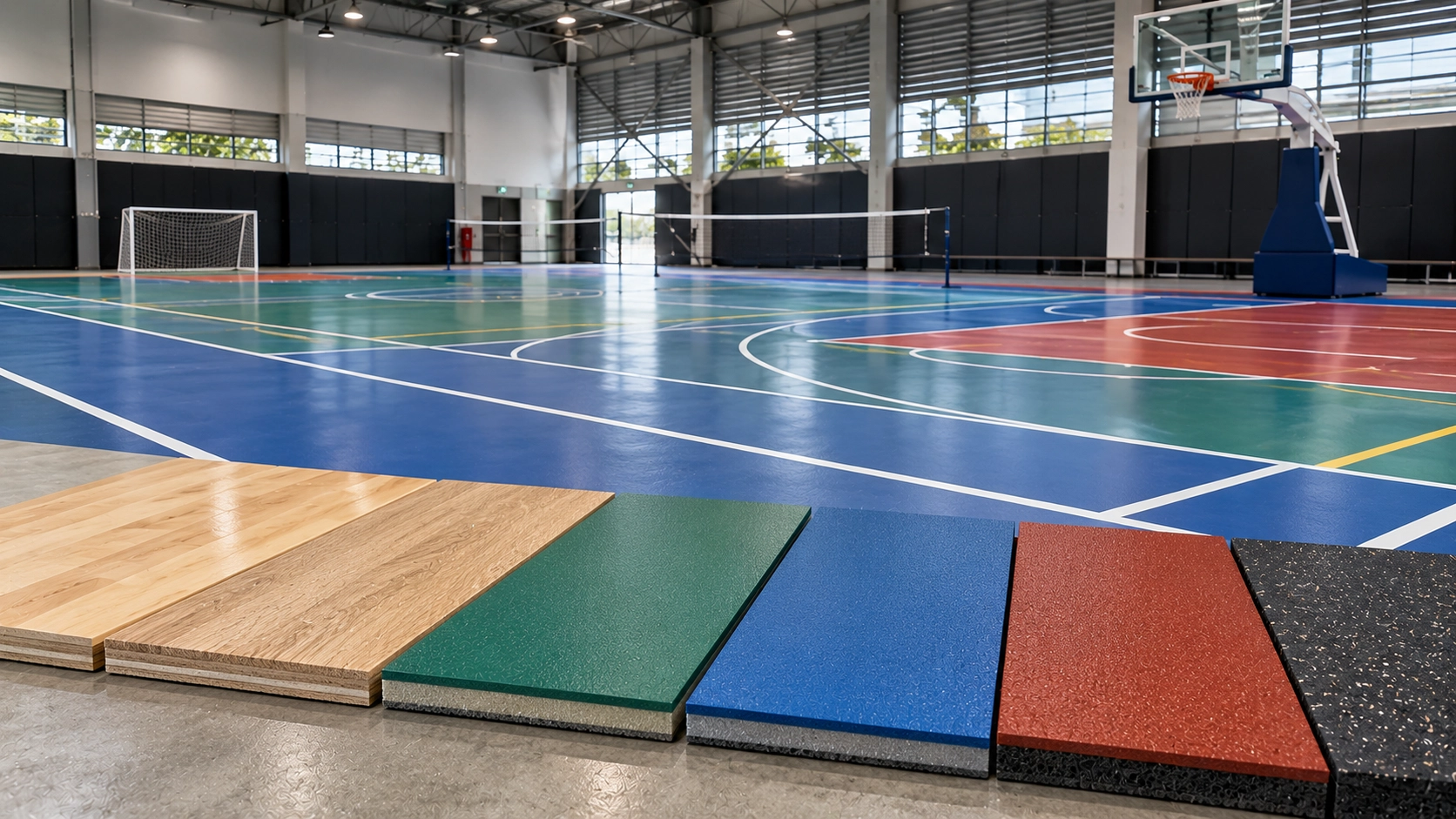
Vinyl flooring — in SPC or LVT format — is an engineered multi-layer product with a waterproof mineral or composite core, a printed design layer, and a protective wear layer. It is also fully waterproof, but softer and warmer underfoot than tiles, and installed without mortar or grout.
Both are appropriate for Singapore’s climate. The differences lie in the day-to-day experience of living with them.
Vinyl vs Tiles: Head-to-Head Comparison
Waterproofing
Tiles: Tiles themselves are waterproof — the glaze on ceramic and the density of porcelain prevent moisture absorption. However, grout is not waterproof. Grout lines are porous and, over time, absorb moisture, stain, and can crack — creating pathways for water to reach the subfloor. Regular sealing and cleaning are required to maintain grout integrity.
Vinyl: SPC and LVT are waterproof throughout the core. Click-lock joints create a tight fit that resists surface water under normal conditions. For commercial wet areas, thermally welded vinyl sheet creates a completely joint-free waterproof surface — something tiles can never achieve without grout.
Verdict: Vinyl has an advantage due to the elimination of grout.
Underfoot Comfort and Temperature
Tiles: Hard, cold, and acoustically noisy. Tiles conduct heat efficiently — in Singapore’s air-conditioned interiors, tile floors feel noticeably cold, particularly in bedrooms. They amplify footstep noise and impact sound.
Vinyl: Vinyl flooring — particularly SPC with an acoustic underlayment — is significantly warmer and more comfortable underfoot than tiles. The slight cushioning of the acoustic layer also reduces impact noise transmission — meaningful in HDB flats and upper-floor condo units.
Verdict: Vinyl wins on comfort and acoustics.
Maintenance
Tiles: The tile surface itself is easy to clean — a damp mop removes most dirt and spills. However, grout lines are the perennial maintenance burden of tile flooring. Grout requires periodic sealing, regular targeted cleaning to prevent staining, and eventual regrouting when it cracks or discolours. In Singapore’s humid environment, dark or mottled grout staining is a common and frustrating maintenance issue.
Vinyl: Sweep, damp mop with a pH-neutral cleaner. No grout. No sealing. No specialist treatments. Vinyl’s maintenance demands are genuinely minimal compared to tiles. Read our detailed guide on how to clean and maintain vinyl flooring for the full routine.
Verdict: Vinyl wins decisively on maintenance.
Durability
Tiles: Extremely durable — a properly installed porcelain tile floor can last 20–30 years or more without showing wear. The main durability risk is cracking from impact (dropped heavy objects) or subfloor movement. Once cracked, individual tiles can be replaced if matching tiles are still available.
Vinyl: Quality SPC and LVT have a service life of 15–20 years under normal residential use with proper maintenance. The wear layer can be scratched or damaged by sharp objects or improper cleaning — but individual planks or tiles can be replaced if damaged.
Verdict: Tiles edge ahead on pure longevity, but vinyl is more practical in terms of damage recovery.
Installation and Renovation Flexibility
Tiles: Tile installation requires mortar bedding, tile laying, grouting, and curing time — a messy, multi-day process. Removing tiles requires hacking — noisy, dusty, and expensive. In Singapore’s HDB renovation context, hacking comes with permit requirements and contractor restrictions.
Vinyl: SPC and LVT can be installed directly over existing tiles using a click-lock system — no hacking, no mortar, no curing time. A full room can be transformed in a single day. If you later want to remove or change the floor, click-lock vinyl lifts cleanly without damaging the substrate.
Check HDB’s renovation permit guide for requirements on floor works in your flat.
Verdict: Vinyl wins clearly on installation practicality.
Aesthetics
Tiles: The natural stone, marble, and ceramic aesthetic of tiles is genuinely difficult to replicate. Large-format porcelain tiles in particular create a seamless, premium look that has defined Singapore’s luxury condo and landed home market for decades.
Vinyl: Modern LVT has closed the aesthetic gap significantly. High-definition print layers and embossed textures create wood and stone looks that many people find indistinguishable from the real materials at floor level. However, the very best large-format natural stone tiles still have an aesthetic edge over even premium LVT in direct comparison.
Verdict: Tiles edge ahead for premium natural stone aesthetics. Vinyl wins for wood looks.
Cost
Both tiles and vinyl span a wide price range. Entry-level ceramic tiles and entry-level SPC are broadly comparable in material cost. Premium large-format porcelain typically costs more than premium LVT. However, the installation cost of tiles — including mortar, grouting, and labour — is generally higher than vinyl installation, where the click-lock system reduces labour time significantly.
For resale HDB renovations where hacking is required for tiles, the cost differential widens further in vinyl’s favour.
Verdict: Vinyl is generally more cost-effective when total installed cost is considered.
Our Recommendation: Which Is Right for You?
Choose vinyl (SPC or LVT) if: You want low maintenance, comfortable underfoot feel, quick installation without hacking, acoustic performance for HDB or upper-floor condo living, or flexibility to change the floor later.
Choose tiles if: You are installing in a wet room (shower, bathroom floor) where you want the tile grout aesthetic, you want the most durable possible floor for a very long-term installation, or you specifically want the look of large-format natural porcelain that premium LVT does not yet fully replicate.
For many Singapore homeowners, the practical answer is a combination: vinyl flooring in dry living areas, and tiles maintained in bathrooms where they were originally installed.
Browse Lexsure’s LVT collection or read our SPC flooring guide to explore your vinyl options.
Get Expert Advice from Lexsure
Contact Lexsure Flooring for a free consultation. Our team will assess your specific space and priorities and give you an honest recommendation — including when tiles might still be the right choice.
Visit us at 25 Bukit Batok Crescent #01-04, Singapore, call +65 8299 7185, or email [email protected]. Open 7 days a week.