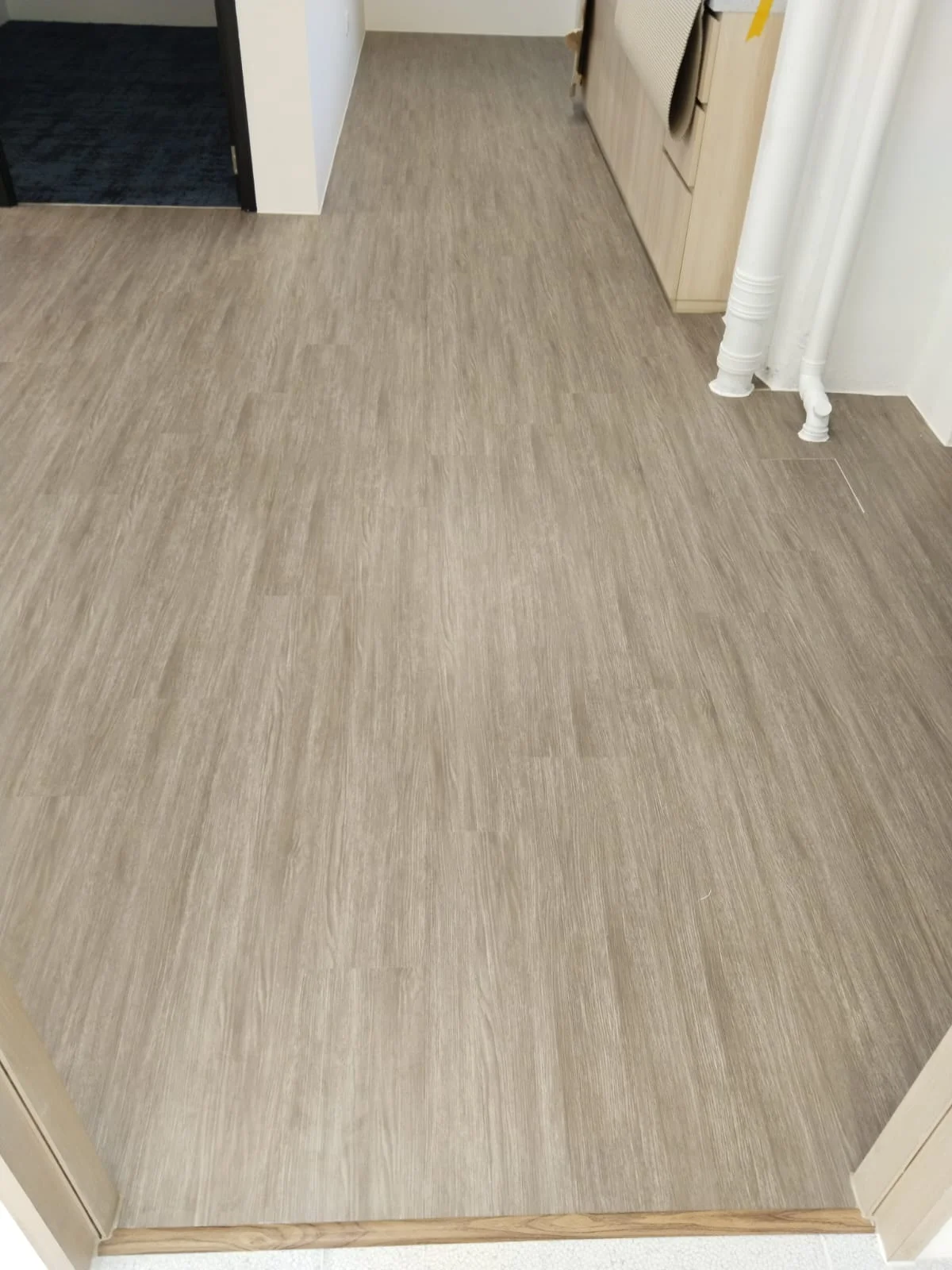
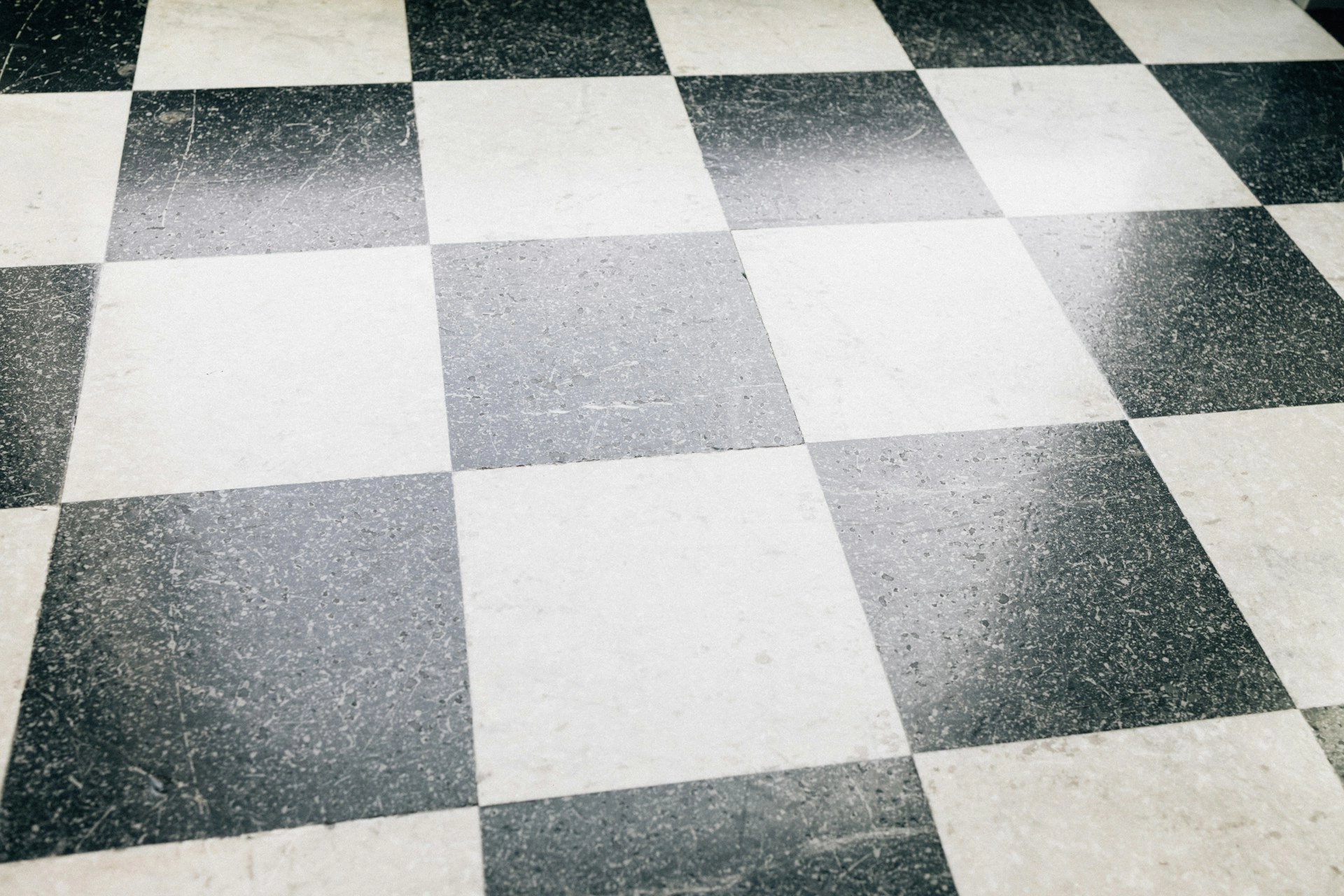
Marble floors in Singapore’s residential and commercial spaces often look fine from across the room. Walk closer and a different picture emerges: a network of fine scratches that scatter the light rather than reflecting it cleanly, dull patches where the surface chemistry has been disturbed by contact with acidic cleaners and in older floors, areas where years of foot traffic have worn a visible path through the surface sheen.
The owners of these floors often tolerate this for longer than they should, assuming either that it cannot be fixed without replacing the floor or that professional polishing is more disruptive and expensive than it is worth.
Both assumptions are usually wrong.
What Your Marble Floor Is Actually Telling You
Marble communicates its condition in consistent ways once you know what to look at.
A floor that has lost its reflective sheen and looks dull compared to when it was installed has developed surface micro-scratches from accumulated foot traffic and grit abrasion. These scratches scatter light rather than reflecting it in a single direction. The material itself is intact. The surface has been physically abraded and needs regrinding and repolishing to restore it.
White or pale cloudy marks that appear after contact with citrus, vinegar-based cleaners or carbonated drinks are etch marks. The acid has reacted chemically with the calcium carbonate in the marble surface and permanently altered the surface chemistry at those points. Etching is a chemical change to the stone, not surface contamination. It cannot be removed by cleaning. It requires physical abrasion to remove the etched layer and expose fresh stone beneath.
Yellow or brown staining that has penetrated below the surface, dark marks at grout lines or on the tile surface and rust-coloured marks near metal fixtures all indicate staining that has penetrated the marble’s porous surface. Some staining can be drawn out with specialist poultice treatment. Deep staining requires grinding to remove the affected surface layer.
The Honest Assessment: When to Polish and When to Wait
Our marble waxing and polishing service covers the full range from maintenance polishing to full restoration. Before any work, we assess the floor’s condition to determine the appropriate treatment level.
For a floor that has mild surface micro-scratching, reduced sheen and a few isolated etch marks, maintenance polishing with a maintenance diamond compound and fresh sealant application is the appropriate approach. The floor does not need to be ground back aggressively. The existing surface integrity is sound and the objective is to restore clarity and sheen.
For a floor with significant etch marks covering a substantial portion of the surface, visible traffic lane wear, deep scratches or physical damage to the tile surface, progressive diamond grinding starting at a coarser grit is required. This physically removes the damaged surface layer and progressively refines the exposed stone to the required finish level.
For a floor in a commercial environment that has been cleaned with inappropriate products over many years, that has accumulated surface coatings from wax-based cleaners or that has been improperly maintained, a more intensive restoration cycle is needed before the surface can be properly assessed and polished.
What Professional Marble Polishing Involves
The process we use for marble polishing in Singapore depends on the condition assessment. Here is the full sequence for a floor requiring proper restoration:
Surface cleaning removes dirt, cleaning product residue and any surface coatings that would interfere with the abrasive process.
Diamond grinding using progressively finer pads removes the damaged surface layer. Starting grit is selected based on the severity of damage. We work through a sequence of grits, each one removing the scratch pattern left by the previous grit, until the surface is smooth and scratch-free.
Honing at fine grit levels removes the grinding scratches and creates the smooth, flat stone surface that polishing will then bring to a reflective finish.
Polishing using fine compound reacts chemically with the calcium carbonate surface to create the crystalline, high-reflectivity finish that marble is known for. The level of sheen achieved depends on the quality and condition of the stone and the grit progression used.
Sealing with a penetrating impregnator reduces porosity, slows staining and reduces the rate at which future etch marks form. The sealer soaks into the stone rather than sitting on the surface, so it does not affect the appearance.
How Often Marble in Singapore Needs Professional Polishing
The right frequency depends on the marble’s location and traffic:
Residential lobby and living area marble in a Singapore condo or landed home: maintenance polishing every 12 to 18 months. Full restoration when the maintenance cycle is no longer achieving an adequate result, typically every 8 to 15 years.
Hotel and commercial lobby marble under continuous traffic: professional maintenance every 6 to 12 months. High-traffic hotel lobbies may require quarterly maintenance.
Kitchen marble countertops and backsplashes: the most etch-prone marble surface in a Singapore home due to cooking activity. Assess every 12 months and polish when etch marks are visible.
Between professional sessions, daily dry mopping to remove grit and weekly cleaning with a pH-neutral stone cleaner are the most effective daily habits. Never use vinegar, citrus-based cleaners or general household floor cleaners on marble. Singapore’s NEA guidelines on chemical waste disposal are relevant for commercial polishing contractors managing the residue from grinding and polishing operations.
Booking a Marble Assessment
Contact our team to arrange a free marble floor assessment. We will inspect the current condition, give you an honest recommendation on the appropriate treatment level and provide a detailed proposal.
Call +65 8299 7185. WCEGA Tower, 21 Bukit Batok Crescent #12-78, Singapore. Seven days a week.