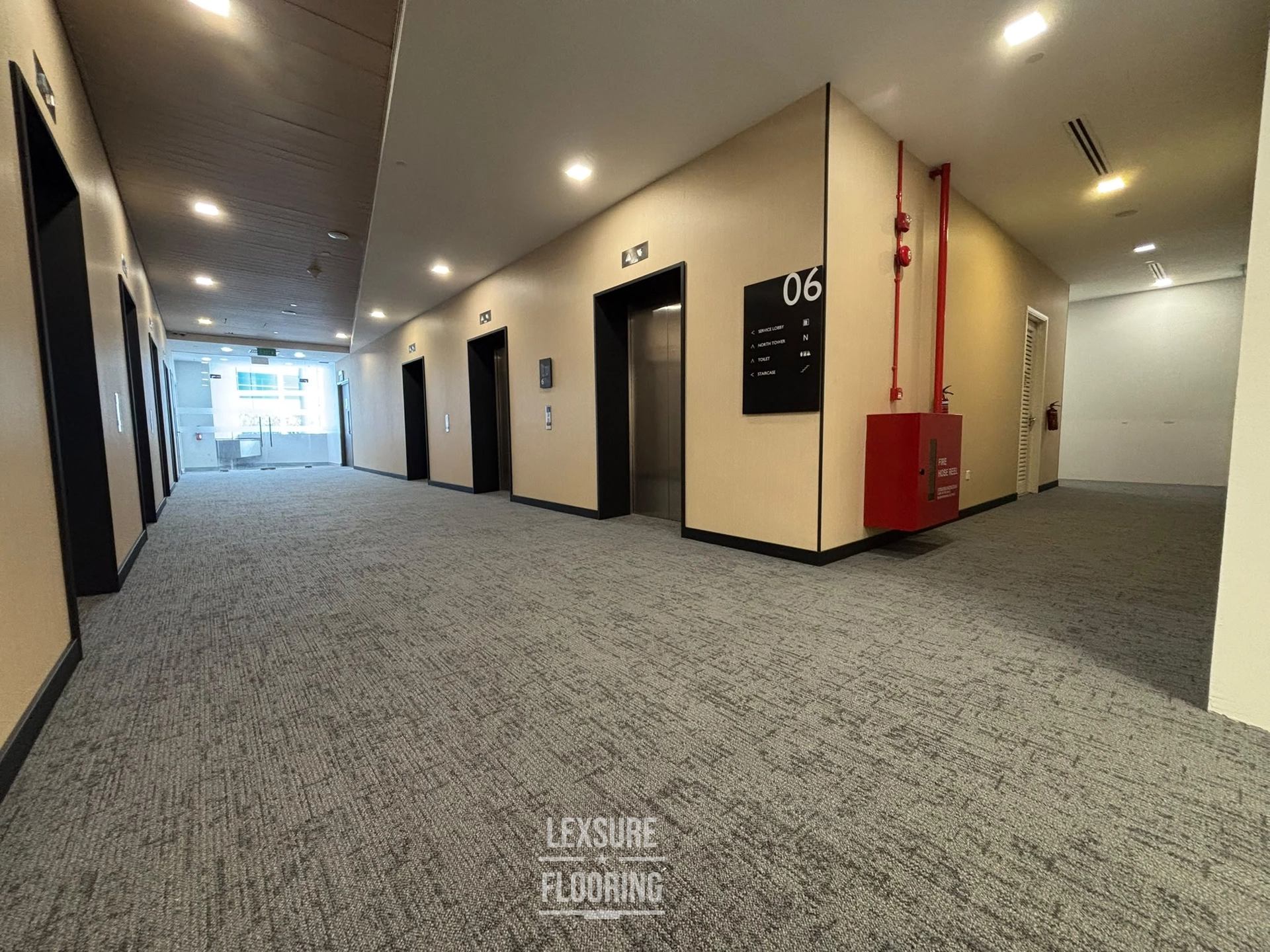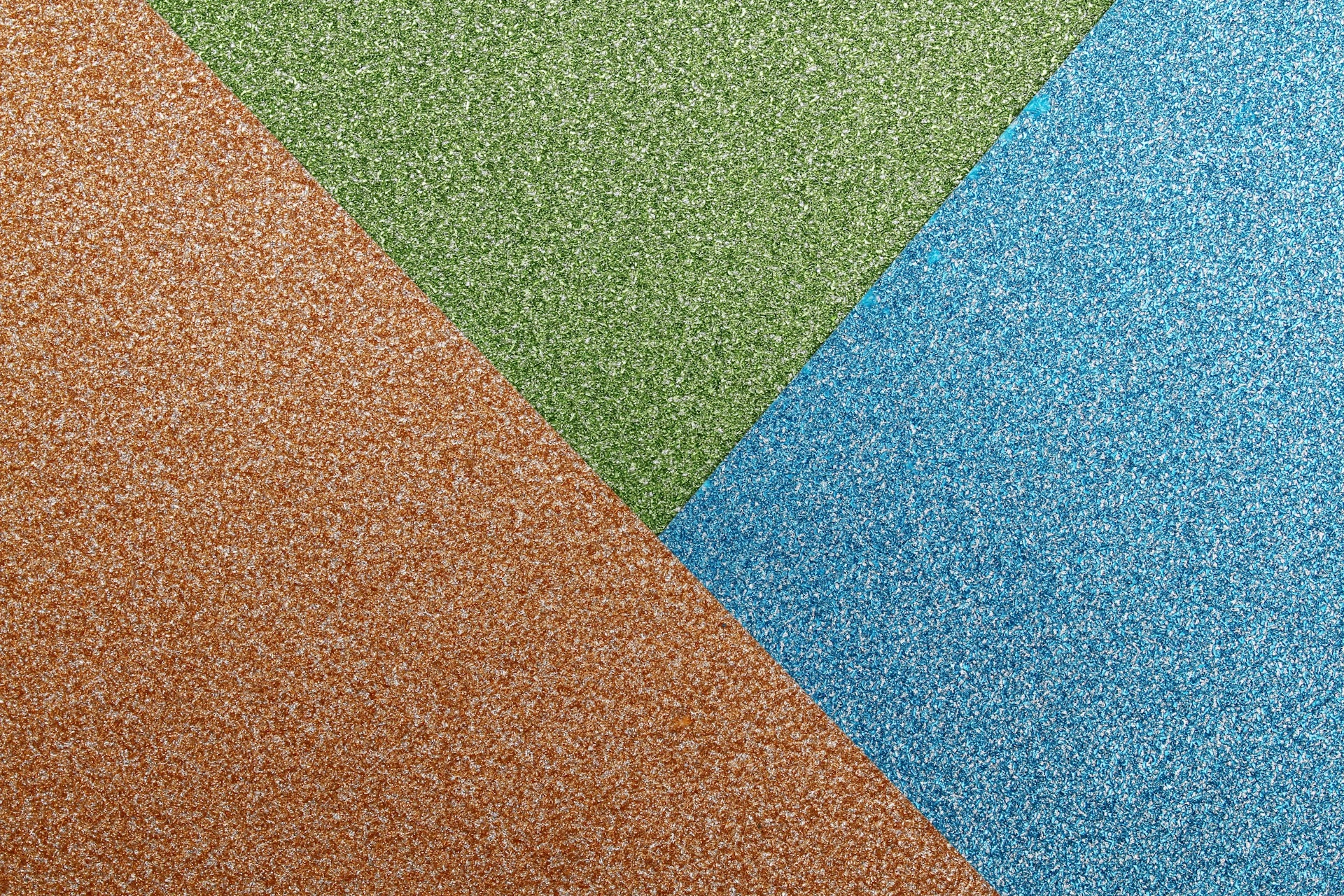
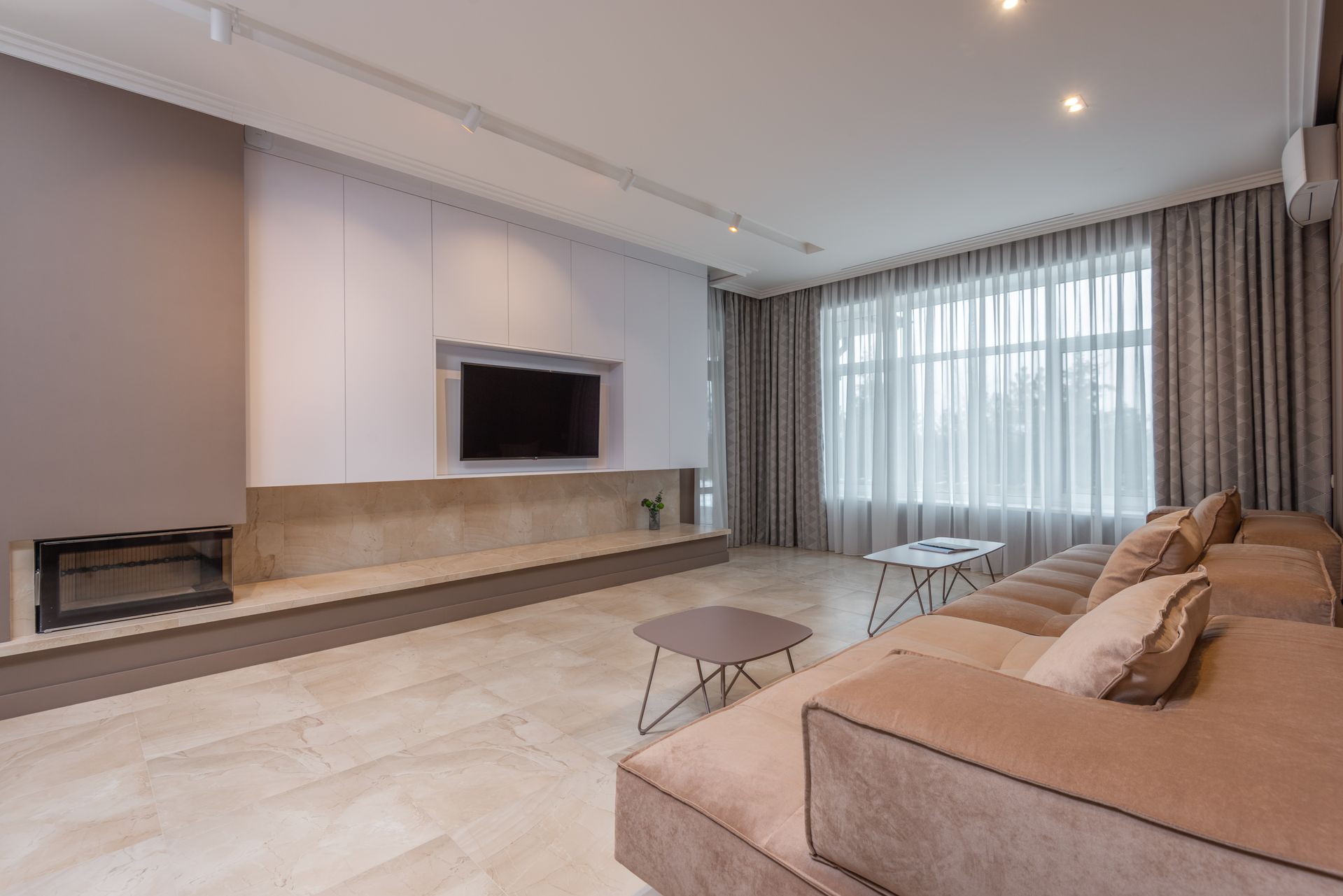
If you have spent time in Singapore’s better cafes, boutique hotel rooms or residential interior design projects over the past three years, you have almost certainly stood on microcement without knowing it. That warm, slightly textured grey surface. No tiles. No joints. No grout lines. Just a continuous, matte finish that looks like polished concrete but feels somehow more refined.
Microcement is one of the most requested finishes in Singapore’s current interior design conversation — and also one of the most misunderstood in terms of what it actually is, what it costs and where it works well.
What Microcement Actually Is
Microcement is a thin, cement-based coating — typically applied in two or three layers at a total thickness of 2mm to 3mm — over an existing surface. It is not a flooring material in the traditional sense. It is an overlay that transforms the surface you already have.
The composition varies by manufacturer, but typically combines Portland cement, fine mineral aggregates, polymer resins and pigments. The polymer content is what distinguishes modern microcement from traditional cement render — it gives the material flexibility, adhesion to non-cementitious substrates and significantly improved moisture resistance compared to plain cement.
Applied by a trained applicator, the result is a seamless, jointless surface that can be finished in a wide range of textures — from very fine and smooth to coarser and more tactile — and in any colour from pure white to deep charcoal, with the full range of warm greys, beiges and earth tones in between.
Why Singapore Designers and Homeowners Are Interested
The appeal is primarily aesthetic. Microcement gives a space a quality that tiles, vinyl and most other flooring materials simply cannot produce: genuine seamlessness at scale.
In a Singapore HDB or condo living area, a continuous microcement floor that runs from the entrance through the kitchen and into the living space without a single grout line or expansion joint creates a visual openness that makes the space feel significantly larger. Combined with the material’s natural texture and colour variation, it produces a finish that photographs well and holds visual interest at close range.
The material also works on walls, bathroom surfaces, kitchen counters and furniture. A bathroom where microcement runs from floor to ceiling and across the vanity top as a single, seamless surface is a genuinely striking result that no tile can achieve.
Where Microcement Works in Singapore
Living Rooms and Dining Areas
Probably the most common residential application in Singapore. A microcement floor in the main living and dining area creates the raw, industrial-meets-refined aesthetic that is defining a significant proportion of Singapore’s premium renovation projects right now.
Bathrooms
Microcement bathrooms are a design statement. The seamless surface eliminates grout maintenance and creates a spa-like, uninterrupted visual flow. The critical condition is waterproofing: microcement must be applied over a properly waterproofed substrate and sealed with a penetrating impregnator and topcoat rated for wet areas.
Cafes, Restaurants and Retail Spaces
Commercial applications are where microcement is most commonly seen in Singapore. The material’s aesthetic aligns with the rawness and considered simplicity of Singapore’s current hospitality design language.
Feature Walls
Microcement on walls produces a textured plaster-like finish that works as a feature surface in living rooms, master bedrooms and hotel rooms.
The Honest Limitations
Microcement has genuine limitations that matter particularly in Singapore’s conditions.
It Is Not Self-Sealing
Unsealed or under-sealed microcement stains readily. Oil, red wine, soy sauce — standard Singapore kitchen activity — will stain an unsealed microcement floor in minutes. The sealing system is not optional. A proper installation uses a penetrating impregnator followed by a polyurethane or acrylic topcoat. In wet areas, a topcoat rated for continuous water exposure is essential.
Cracks Follow the Substrate
If the substrate cracks — which Singapore’s older concrete floors sometimes do due to settlement — the microcement above it will crack too. The material bridges minor surface imperfections but it does not absorb structural movement. This is why substrate condition assessment is critical before application.
Application Is Skilled Work
Microcement quality is entirely dependent on the applicator. Poorly applied microcement shows lap marks, uneven texture, colour variation and adhesion failure. In Singapore, there are experienced applicators who produce excellent results and there are people who will attempt it without the training to do it properly. The result is not obvious until weeks after installation when adhesion failure starts to appear.
Maintenance Is More Demanding Than Vinyl
Compared to SPC or LVT, microcement requires more careful daily maintenance. No abrasive cleaners, no acidic products, no dragging of heavy objects across the surface. The topcoat needs periodic reapplication every 3 to 5 years in residential use.
Microcement vs SPC Vinyl: When to Choose What
If your priority is a seamless, distinctive aesthetic and you are prepared for the maintenance commitment, microcement is a genuine option for dry living areas and feature surfaces in Singapore’s climate.
If your priority is a low-maintenance floor that you can clean easily, that withstands Singapore’s humidity reliably and that you do not have to think about, SPC vinyl or LVT in a concrete-look finish achieves a very similar visual result at lower cost and significantly lower maintenance.
For kitchens and bathrooms specifically, we lean toward vinyl-based products for most Singapore residential applications. The moisture exposure in these rooms is consistent and significant. Getting the waterproofing perfect on a microcement bathroom in a 20-year-old HDB flat requires expertise that not every contractor applies correctly. The consequences of getting it wrong — delamination, mould behind the coating, substrate damage — are costly to fix.
Singapore’s BCA Green Mark framework includes provisions for low-VOC interior coating materials — relevant for commercial projects where microcement is being specified alongside other green certification requirements.
Want Advice on Your Project?
We work with clients on flooring specification across vinyl, composite, stone and timber — and can help you assess whether microcement or a vinyl alternative is the right choice for your specific project.
Get in touch or call +65 8299 7185. WCEGA Tower, 21 Bukit Batok Crescent #12-78, Singapore. Open 7 days.