Balconies, rooftop terraces, poolside areas, garden decks — Singapore has no shortage of outdoor spaces with untapped potential. But without the right flooring, most of them end up underused.
Composite decking changes that. It turns outdoor spaces into comfortable, usable extensions of your home or business — without the ongoing maintenance burden of solid timber.
Lexsure Flooring supplies and installs composite decking across Singapore for residential and commercial clients. If you are already researching the advantages, our blog post on 7 reasons to choose composite decking for your home is a great starting point. This guide focuses on how to choose the right product, what to expect from the installation, and how to make the most of your outdoor space.
What Is Composite Decking?
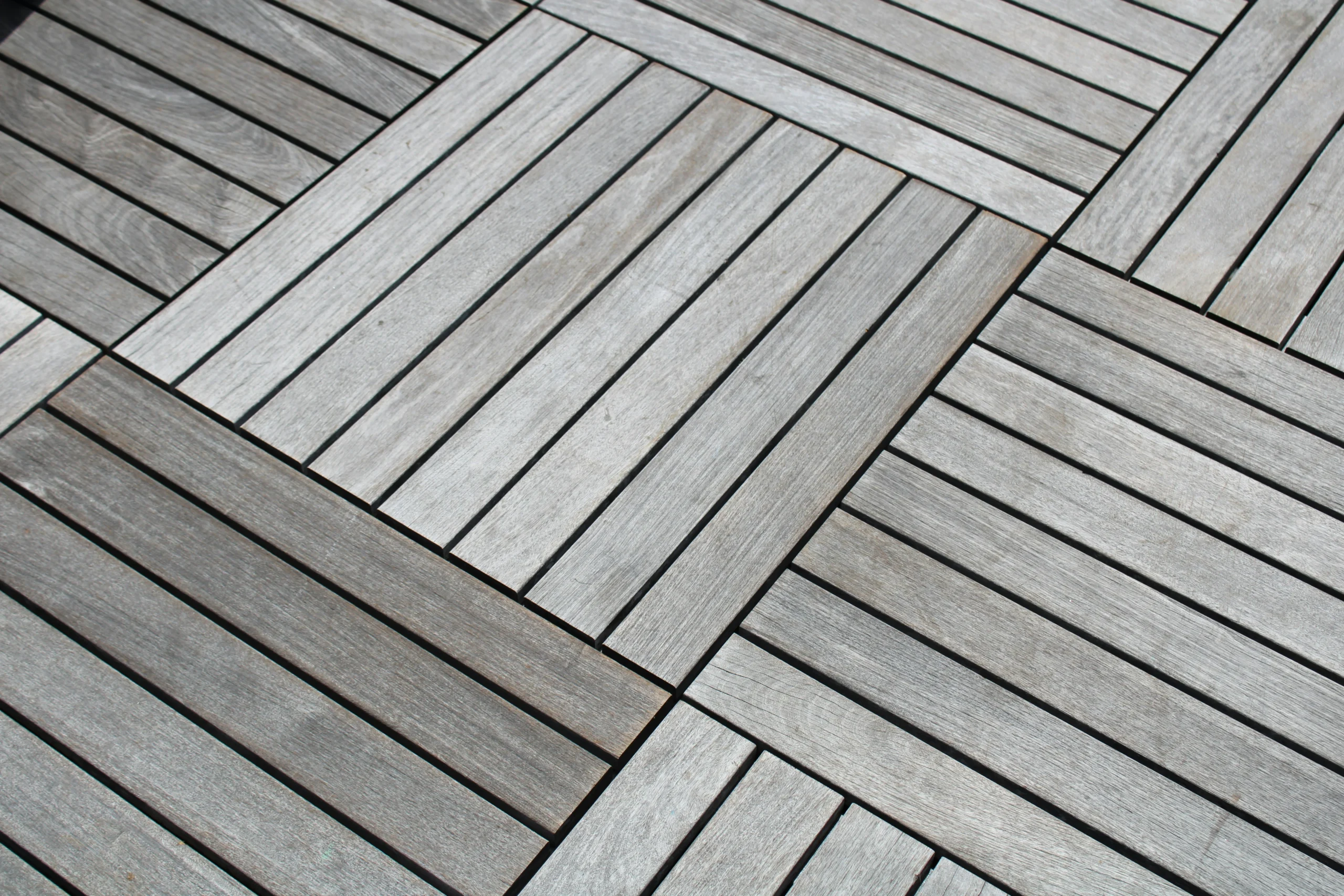
Composite decking is an engineered outdoor flooring product made from a blend of wood fibre and recycled plastic polymers, compressed and formed into deck boards under high pressure.
The result looks like natural timber — with realistic grain textures and a range of natural wood tones — but performs far better in Singapore’s outdoor environment. It does not rot, splinter, or warp at the accelerated rate that Singapore’s heat, rain, and humidity cause in real timber.
Why Composite Decking Suits Singapore’s Climate
Moisture and Rot Resistance
The plastic polymer in composite decking repels moisture. Unlike solid timber, which absorbs water and gradually becomes vulnerable to rot and fungal growth, composite boards do not allow moisture to penetrate the core. This makes composite decking safe and durable for poolside areas, rain-exposed terraces, and humid sheltered balconies.
UV Stability
Quality composite decking is manufactured with UV stabilisers that slow colour fade caused by Singapore’s intense equatorial sun. Premium composite boards retain their colour far longer than untreated or even treated timber — and unlike timber, they never need refinishing.
No Splinters
Solid timber decks develop splinters as the wood dries out and the surface grain opens under UV and moisture exposure. This is a real safety issue — particularly around pools and in homes with young children. Composite decking remains smooth and splinter-free throughout its entire service life.
Holds Its Shape
Quality composite boards maintain their dimensions across Singapore’s temperature and humidity range. This eliminates the warping, cupping, and board movement that creates gaps and uneven surfaces in solid timber decks over time.
Where Composite Decking Works Best in Singapore
HDB and Condo Balconies
Balconies are among the most overlooked spaces in Singapore apartments — many end up as storage areas or bare concrete. Composite decking transforms a balcony into a genuine outdoor living space.
Before starting any balcony renovation work in an HDB flat, it is worth reviewing HDB’s balcony renovation guidelines to understand what works are permitted and whether a permit is required. Lexsure’s team is familiar with these requirements and can advise you accordingly.
Rooftop Terraces and Sky Gardens
Rooftop outdoor spaces are increasingly common in Singapore’s residential and commercial developments. Composite decking is a natural fit — weather-resistant, visually appealing, and compatible with the drainage and waterproofing systems that rooftop installations require. Pedestal-mounted installation systems allow the decking to sit over existing waterproofing membranes without piercing them.
Poolside Areas
Poolside environments combine water exposure, chemical splash from pool treatments, bare-foot traffic, and intense UV — all at once. Composite decking handles all of these without degrading, and its splinter-free, textured surface makes it safe and comfortable for pool deck use in homes, condominiums, hotels, and resorts.
Al Fresco Dining and Retail Outdoor Areas
Singapore’s café, restaurant, and retail scene frequently extends into outdoor terraces and shopfront forecourts. Composite decking creates an inviting, premium-looking outdoor environment that encourages customers to linger — while holding up to heavy commercial foot traffic and frequent cleaning.
Outdoor Gyms and Recreation Areas
As Sport Singapore’s push for more accessible outdoor recreational spaces continues, demand for quality outdoor decking in community and residential settings is growing. Composite decking provides a safe, durable, and visually cohesive surface for both fixed equipment areas and open activity zones.
Composite Decking vs Solid Timber
Solid timber — teak, chengal, and similar species — has a long heritage as premium outdoor decking. But in Singapore’s climate, maintaining a solid timber deck requires real, ongoing commitment:
- Annual or bi-annual sanding, oiling, or re-sealing to prevent drying and cracking.
- Regular inspection for rot, insect damage, and board movement.
- Replacement of individual boards when damage occurs — increasingly difficult as the timber weathers and new boards no longer match the aged colour.
- The risk of splinters developing between maintenance cycles.
Composite decking eliminates all of this. No oiling. No sanding. No splinters. No rot. The total cost of ownership over the decking’s lifetime is considerably lower than solid timber — making composite the more practical and more economical choice for Singapore’s outdoor spaces.
Complete Your Outdoor Look
Composite decking works beautifully alongside the right wall finishes. Lexsure also supplies premium fluted wall panels — available in finishes that complement both light and dark composite deck tones. A matched floor and wall finish creates a cohesive, resort-quality aesthetic from a single supplier.
What to Look for When Choosing Composite Decking
Board Composition
Higher wood-fibre content produces a more natural appearance and feel. Higher polymer content increases moisture resistance. The best composite decking achieves an effective balance between the two.
Surface Texture
Brushed or wire-brushed finishes more closely replicate natural timber grain. For poolside and wet-area installation, a grip-textured surface improves slip resistance.
Hollow vs Solid Core
Hollow-core boards are lighter and often less expensive. Solid-core boards offer better load-bearing performance, a more substantial underfoot feel, and less hollow footstep sound. For areas that will take heavy use or heavy loads, solid-core is the better choice.
Colour
Lighter tones — ash, grey-washed driftwood, natural oak — work well in smaller balcony spaces where a bright, open feel is desirable. Darker tones — teak, walnut — create a more dramatic, resort-like ambience for larger terraces and commercial outdoor areas.
How Lexsure Installs Composite Decking
- Site survey and design — assessing the space, slab condition, drainage requirements, and design brief.
- Subframe construction — aluminium or treated timber subframe that supports boards and ensures correct drainage beneath the decking surface.
- Board installation — composite boards laid with hidden fixing clips for a clean, screw-free surface finish.
- Perimeter finishing — fascia boards and edge trims for a neat, polished result around the deck’s edges.
- Clean-up and handover — site cleared and final inspection before we hand over.
Ready to Transform Your Outdoor Space?
Contact Lexsure Flooring for a free site consultation and design proposal. Visit us at 25 Bukit Batok Crescent #01-04, Singapore, call +65 8299 7185, or email [email protected]. Our team is available 7 days a week.