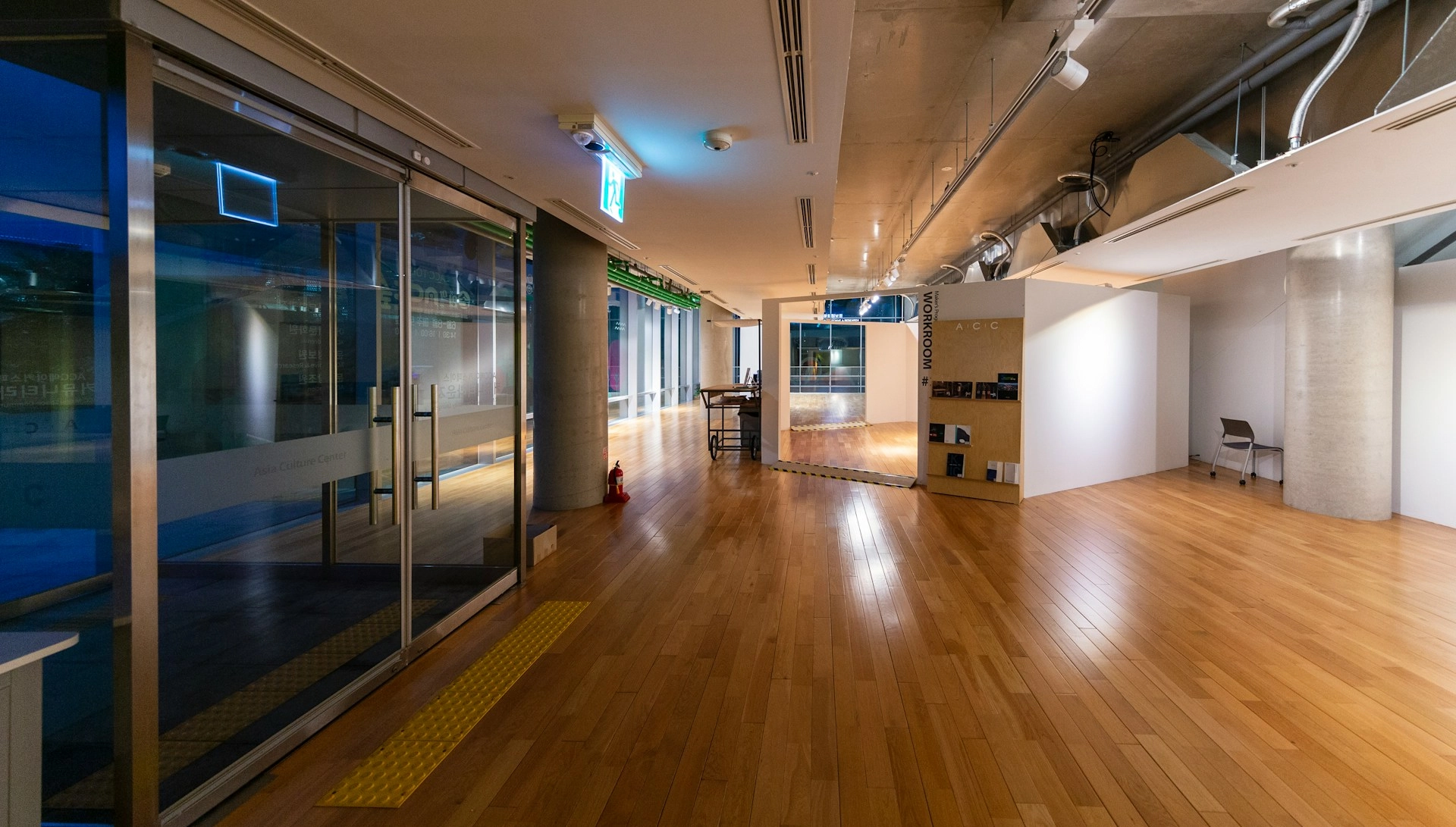
Timber flooring has a warmth and character that no engineered product fully replicates. Whether it is solid hardwood in a landed property, engineered wood in a Singapore condominium, or parquet in a heritage shophouse, a well-kept timber floor is one of the most beautiful surfaces in any interior.
But wood is also the most maintenance-demanding flooring material in Singapore’s climate. High ambient humidity, temperature swings from air-conditioning, foot traffic, pet claws, and furniture movement all take their toll. Without the right care, timber floors lose their lustre, develop surface scratches, and ultimately suffer structural damage from moisture.
Wooden floor polishing — done professionally at the right intervals — is how timber floors retain their beauty and structural integrity for decades in Singapore’s conditions.
Lexsure Flooring’s professional wooden floor polishing service covers restoration and maintenance of timber floors for residential and commercial clients across Singapore.
Why Wooden Floors Deteriorate Faster in Singapore
Singapore’s tropical climate accelerates timber floor deterioration compared to temperate climates:
Humidity fluctuation — Singapore’s outdoor humidity above 80% combined with air-conditioned indoor environments at 60–65% RH creates daily expansion and contraction cycles in timber. Over years, this causes surface checking, board gapping at joints, and cupping at board edges.
UV exposure — Singapore’s intense equatorial sun causes rapid colour fading in unprotected timber surfaces, particularly in east or west-facing rooms.
Surface wear — grit and sand on footwear is abrasive to timber’s softer surface. Traffic lanes develop visible scratch accumulation within 12–24 months without regular maintenance.
Moisture events — spills, condensation from glasses, and moisture tracked in from wet areas cause localised swelling and white surface marks on unprotected timber.
The Wooden Floor Polishing and Restoration Process
Maintenance Polishing (for floors in good condition)
For floors that are fundamentally sound but have lost their sheen and accumulated light surface scratches:
- Thorough cleaning to remove surface dirt, grit, and cleaning residue.
- Light buffing with a fine abrasive pad to remove surface micro-scratches.
- Application of a fresh coat of the appropriate finish — wax, oil, or water-based polyurethane.
- Buffing to the required sheen level.
This restores the floor’s appearance without removing significant material. Appropriate for floors maintained every 12–24 months. Visit our floor polishing service page for full details.
Full Resanding and Refinishing (for damaged or worn floors)
For floors with significant scratches, deep marks, cupping, or completely worn-through finish:
- Drum or belt sanding to remove the existing finish and surface damage, exposing fresh timber beneath.
- Edge sanding and hand sanding at corners and intricate areas.
- Gap filling where board joints have widened from humidity cycling.
- Progressively finer sanding through multiple grits to achieve a smooth, even surface.
- Application of the chosen finish in multiple coats, with light sanding between coats.
Finish Options for Singapore Timber Floors
Water-Based Polyurethane
The most commonly specified finish for Singapore timber floors. Fast drying, low odour, high durability, available in matte, satin, and gloss sheens. The finish is clear and does not significantly alter the natural timber colour.
Oil-Based Polyurethane
More durable in very high-traffic commercial applications, but with longer dry time, stronger odour, and a slight amber tone. Less commonly specified in Singapore residential renovations due to the practical inconveniences.
Hardwax Oil
Penetrating oil finishes soak into the timber fibres rather than sitting on the surface. More natural, matte appearance with a tactile warmth polyurethane cannot replicate. Requires more frequent re-application and is more vulnerable to moisture between maintenance treatments.
How Often Does Wooden Flooring Need Polishing in Singapore?
- Residential main areas — maintenance polishing every 12–18 months. Full resanding typically required every 8–15 years.
- Commercial timber floors — maintenance polishing every 6–12 months. Full resanding may be required every 5–8 years.
- Parquet flooring — parquet’s thinner individual blocks require more cautious sanding. A professional assessment is needed before any sanding work.
Daily Care Between Professional Treatments
- Sweep or vacuum daily with a soft attachment — remove grit before it scratches the surface.
- Wipe spills immediately with a dry cloth — never allow liquid to sit on timber.
- Use only pH-neutral wood floor cleaners for damp mopping — never wet mop timber.
- Felt pads under all furniture legs — replace when worn.
- Maintain indoor humidity at 55–65% RH if possible to slow moisture cycling effects.
More guidance is available in our essential floor maintenance tips guide. For general home maintenance advice, HDB’s home maintenance resources cover ventilation and humidity management for Singapore flats.
Book a Wooden Floor Assessment
Contact Lexsure Flooring to book a free wooden floor assessment. Our team will inspect the floor’s current condition, recommend the appropriate treatment level, and provide a detailed proposal.
Visit us at 25 Bukit Batok Crescent #01-04, Singapore, call +65 8299 7185, or email [email protected]. Open 7 days a week.