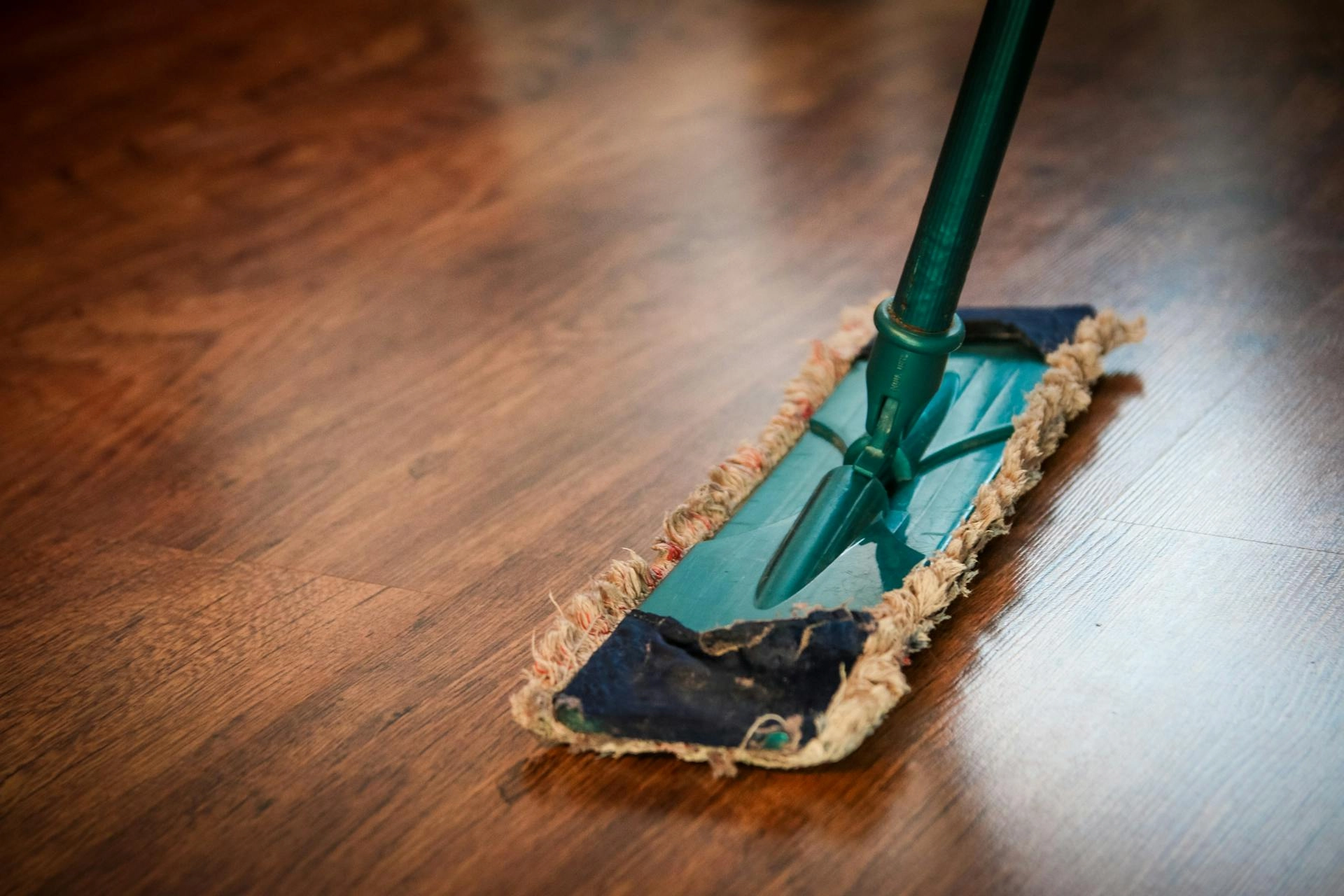
Vinyl flooring is one of the easiest floors to maintain — but easy does not mean effortless. In Singapore’s conditions, with high ambient humidity, daily dust accumulation, and the regular cleaning routines of a busy household, knowing how to care for your floor correctly makes a real difference to how it looks and how long it lasts.
This guide from Lexsure Flooring covers everything you need to know about cleaning and maintaining vinyl flooring in Singapore — from daily habits to common mistakes that silently damage your floor over time.
Why Proper Vinyl Floor Maintenance Matters in Singapore
Singapore’s tropical environment creates specific maintenance challenges. High humidity means airborne dust retains moisture and bonds more readily to floor surfaces. The combination of outdoor footwear, domestic helpers cleaning daily, and active family life generates a specific wear pattern that compounds over time if the floor is not correctly maintained.
The good news is that SPC and LVT floors are inherently durable. Their wear layers are designed to handle years of this — but only if you avoid the maintenance mistakes that prematurely degrade them.
Daily Maintenance: What You Should Be Doing Every Day
Sweep or Vacuum First — Always
The single most important daily habit is removing grit, sand, and fine dust from the surface before it has a chance to cause damage. These particles act as abrasives when walked across the wear layer — each footstep grinds them slightly into the surface, creating microscopic scratches that accumulate over months into a visible dullness.
Use a soft-bristle broom or a vacuum cleaner set to hard floor mode (not carpet mode, which can scratch). Microfibre dust mops are excellent for Singapore’s dust conditions — they capture fine particles rather than redistributing them.
Address Spills Immediately
Wipe up any liquid spills as soon as they happen using a clean, dry cloth. While the SPC or LVT core is completely waterproof, allowing liquid to sit on the surface allows it to seep under skirting boards, into expansion gaps at walls, or beneath furniture bases where it can eventually cause issues with adhesive or create conditions for mould growth at the edges.
Weekly Maintenance: Damp Mopping Correctly
Once a week — or more frequently in high-traffic households — damp mop your vinyl floor using the following approach:
- Fill a bucket with clean warm water and add a small amount of pH-neutral vinyl floor cleaner. Avoid general-purpose floor cleaners, which may contain alkaline agents or wax compounds incompatible with vinyl.
- Wring your mop thoroughly until it is just barely damp — not wet. A wet mop leaves excess water on the surface that seeps into joints and under skirting.
- Mop in the direction of the plank grain where possible, to prevent any residue settling into the surface texture grooves.
- Allow the floor to air dry fully before replacing rugs or furniture.
What to Avoid: The Most Common Vinyl Floor Maintenance Mistakes
Steam Mops
Never use a steam mop on SPC or LVT flooring. The high-temperature steam penetrates seams and the expansion gap at the wall, softening adhesive in glue-down installations, causing click-lock joints to expand beyond their tolerance, and potentially warping the wear layer. Steam mop damage is one of the most common causes of premature vinyl floor deterioration in Singapore homes.
Abrasive Scrubbers and Steel Wool
Abrasive cleaning pads scratch the wear layer permanently — dulling the surface finish in a way that cannot be reversed without professional treatment. Use only soft cloths, microfibre mops, or soft-bristle brushes.
Wax, Polish, and Oil-Based Cleaners
Vinyl floors do not need waxing. Products that contain wax, silicone, or oil leave a residue that builds up over time, attracting dust, creating a slippery surface, and dulling the finish. Use only water-based, pH-neutral cleaners specifically formulated for vinyl or LVT.
Bleach and Strong Chemical Cleaners
Bleach and solvent-based cleaners break down the chemistry of the wear layer, causing discolouration and surface degradation. If you need to disinfect — which is understandable in Singapore’s hot, humid environment — use a diluted mild disinfectant that is specifically stated to be safe on vinyl surfaces.
Allowing Standing Water
While the SPC or LVT core is waterproof, prolonged standing water at joints, edges, and walls is still undesirable. It can seep beneath skirting, promote mould growth in enclosed spaces, and over time affect the adhesive bond in glue-down installations.
Protecting Your Vinyl Floor from Furniture Damage
Furniture is one of the most common causes of premature wear on vinyl floors in Singapore homes.
- Felt pads — fit felt pads to all furniture legs. Check and replace them every 6–12 months as they wear down or collect debris that can then scratch the floor.
- Castor cups — for wheeled office chairs and heavy furniture, use hard floor castor cups to distribute the load and prevent compression marks.
- Furniture sliders — when moving furniture, always use proper furniture sliders. Never drag furniture across a vinyl floor, even when lifting partially.
- Avoid rubber-backed mats — rubber backing on rugs and mats can react with the wear layer chemistry, causing staining or discolouration over time. Use felt-backed mats or place a non-reactive mat liner between rubber-backed mats and the vinyl surface.
Managing Sunlight Exposure
Singapore’s intense equatorial sunlight can cause gradual fading of the print layer in vinyl flooring over time — particularly in rooms with large west or south-facing windows. While quality SPC and LVT products are manufactured with UV inhibitors that slow this process, managing sunlight exposure extends the floor’s appearance:
- Use UV-filtering window film or quality blinds in sun-exposed rooms.
- Move rugs and furniture periodically to ensure even sun exposure across the floor — this prevents visible colour variation between covered and uncovered areas.
When to Call Lexsure for Professional Floor Care
Even with excellent daily and weekly care, vinyl floors in Singapore homes and commercial spaces benefit from professional treatment every few years.
Lexsure’s professional floor care services include:
- Deep cleaning — removing accumulated residue and embedded dirt that daily mopping cannot reach. Restores the floor’s original lustre without abrading the wear layer.
- Floor polishing — application of a protective coating that refreshes the surface sheen and adds a layer of protection to the wear layer.
- Spot repair — assessment and repair of any damaged or lifted sections before they worsen.
Read more about our professional floor polishing and maintenance services, or visit HDB’s home maintenance guidelines for general guidance on maintaining your flat.
Book a Floor Maintenance Assessment
Contact Lexsure Flooring if your vinyl floor needs professional attention — or if you want advice on the right daily care routine for your specific product. Visit us at 25 Bukit Batok Crescent #01-04, Singapore, call +65 8299 7185, or email [email protected]. Open 7 days a week.