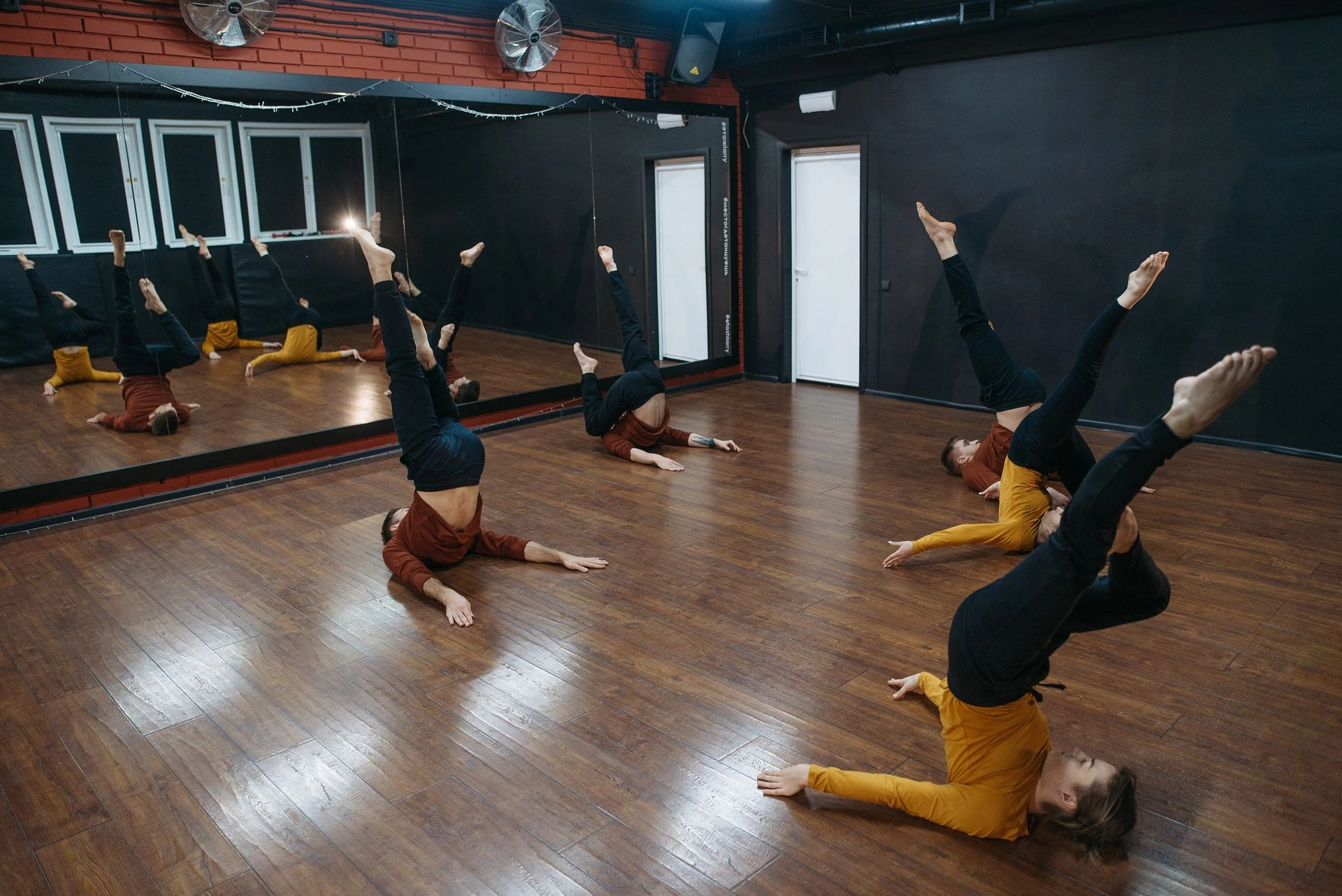
Walk into a well-run dance or fitness studio in Singapore and you notice the floor before you notice much else. It is even, slightly warm underfoot, quiet under movement and produces the right amount of grip and glide depending on the discipline.
Walk into a poorly specified studio and you feel that too. The floor is either too hard, which fatigues instructors faster and increases injury risk over time, or too soft, which undermines technique and control. The wrong friction level for the discipline creates falls or strain. And the wrong acoustic properties create a space that feels loud, clinical and uninspiring.
Singapore’s dance and fitness studio market has grown significantly over the past five years. Boutique yoga studios, K-pop dance academies, contemporary dance studios, Pilates and HIIT group fitness operators all have different floor requirements. Here is how to think through them.
The Core Requirement All Studios Share
Every dance and fitness studio floor must protect the people who spend hours on it every day. For instructors running multiple classes, the cumulative impact load on knees, ankles and the lower back from an inadequately sprung floor is significant. Many experienced fitness instructors in Singapore have developed chronic joint pain from years of teaching on concrete floors with only a thin layer of flooring on top.
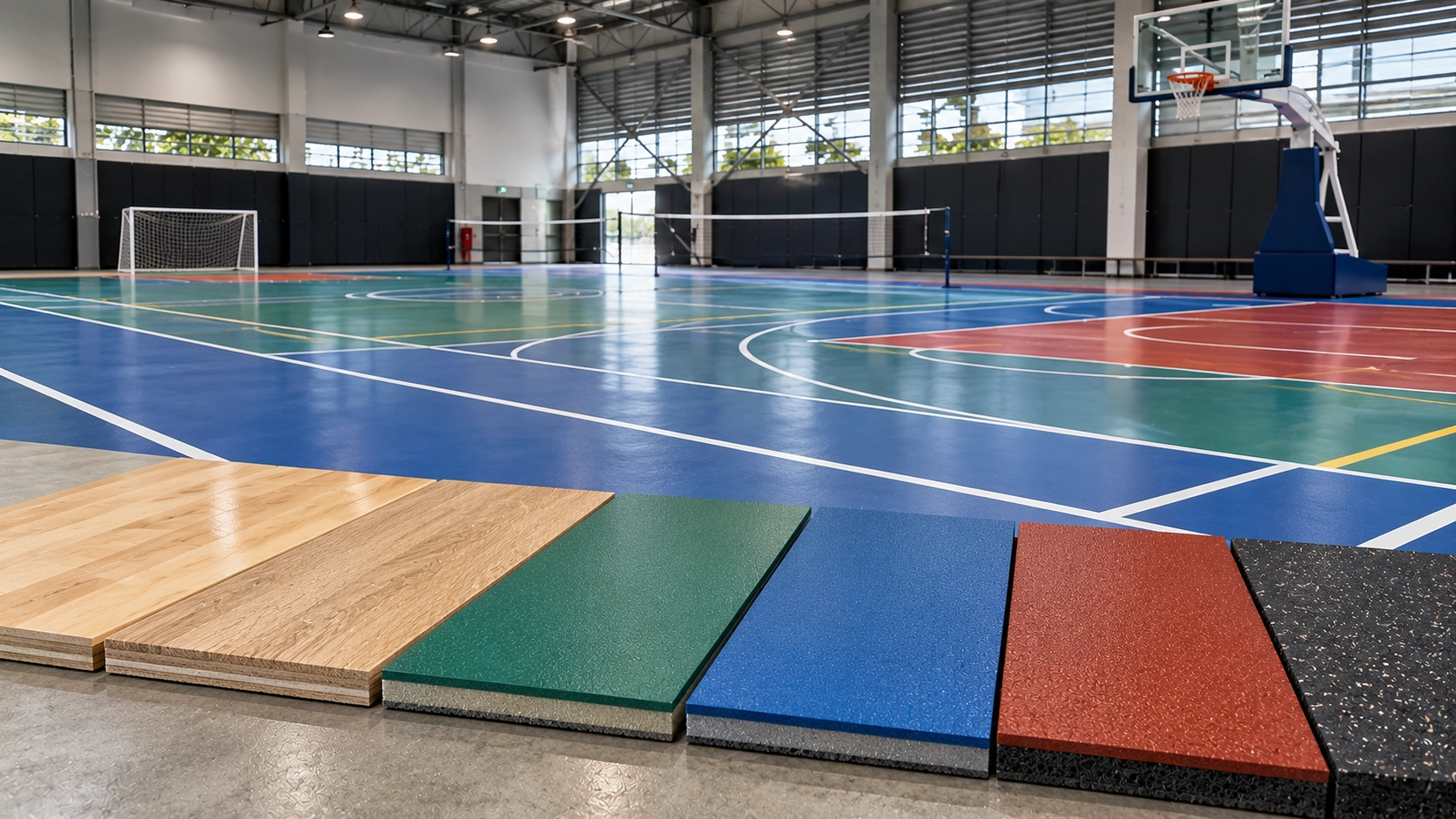
Shock absorption is the non-negotiable baseline. The floor system, not just the surface material, must provide meaningful energy absorption under the impact of jumping, landing and repeated footwork. This usually means a combination of a resilient underlayment beneath the surface material, not just the surface material alone.
Dance Studios: Traditional and Contemporary
Classical and Contemporary Dance
Ballet, contemporary and jazz dance studios traditionally use sprung timber floors. A properly designed sprung floor system resilient pads beneath a hardwood surface layer allows controlled slip for pirouettes and holds while providing the energy return that dancers need for dynamic movement and jumps.
In Singapore, maintaining a sprung timber floor requires consistent humidity management. The same challenges that apply to squash court timber floors apply here. For dance studios that can commit to consistent air-conditioning and maintenance, hardwood on a sprung system is the appropriate specification.
For studios without reliable climate control or with limited maintenance budgets, a high-quality sports vinyl on an acoustic underlayment provides comparable performance without the humidity risk. Some of Singapore’s most active contemporary dance studios operate on sports vinyl and report excellent results.
Hip-Hop, K-Pop and Street Dance
These disciplines involve floor contact work, power moves and dynamic footwork at varying speeds. The floor needs good grip for power positioning and controlled slide for certain movement elements.
A medium-friction sports vinyl or dance-specific vinyl surface on a resilient base is appropriate. Avoid very high-friction surfaces that prevent the sliding elements of the choreography. Avoid very low-friction surfaces that create safety risks during power moves. Our sports flooring range includes surface options appropriate for these disciplines.
Fitness Studios
Yoga and Pilates
Yoga and Pilates studios need a floor that is firm enough to provide stable support for static poses and balance work, provides a slightly warm, non-cold surface in Singapore’s air-conditioned environments and is hygienic and easy to clean. Most Singapore yoga studios use a high-quality cork or foam-backed vinyl that provides the right combination of firmness, warmth and cleanability.
The floor should not be too soft. A very soft surface makes balance poses unstable and undermines the proprioceptive feedback that good yoga instruction relies on.
High-Intensity Group Fitness (HIIT, Aerobics, Zumba)
High-impact group fitness classes require maximum shock absorption to protect the joints of participants who are jumping and landing repeatedly for 45 to 60 minutes. A shock absorption rating of 35 per cent or above is appropriate.
For Singapore studios with classes above or adjacent to residential or commercial spaces, the acoustic performance of the floor is also a pressing operational concern. A class of 20 participants doing jump squats is extremely audible to the floor below. Sports vinyl with a thick acoustic underlayment is the recommended specification.
Indoor Cycling and Low-Impact Disciplines
Indoor cycling studios have different requirements because most contact with the floor is through equipment rather than direct. The floor primarily needs to handle equipment weight distribution, vibration transmission and the occasional foot contact. A commercial vinyl in a durable specification handles indoor cycling studios well.
The Surface Material and the Subfloor System Work Together
The most common mistake in Singapore studio flooring is choosing a good surface material and putting it on an inadequate base. A high-quality dance vinyl on a concrete slab with no acoustic underlayment performs like a concrete floor with a vinyl finish. The surface material alone does not provide shock absorption if the substrate beneath it is completely rigid.
Always specify the complete floor system: surface material, underlayment thickness and material type and subfloor preparation. Our team assesses the existing subfloor condition before recommending the complete system.
For Singapore’s commercial studio market, our gym and studio flooring guide covers the related specification for gym weight areas that sit within the same facility.
Singapore’s Sport Singapore facility guidelines cover floor specifications for community sports and dance facilities that align with national standards.
Get the Right Floor for Your Studio
Contact Lexsure Flooring for a free studio floor assessment. We cover dance studios, fitness studios and multipurpose studio spaces across Singapore.
Call +65 8299 7185. WCEGA Tower, 21 Bukit Batok Crescent #12-78, Singapore. Open 7 days.