Carpet deep cleaning Singapore.
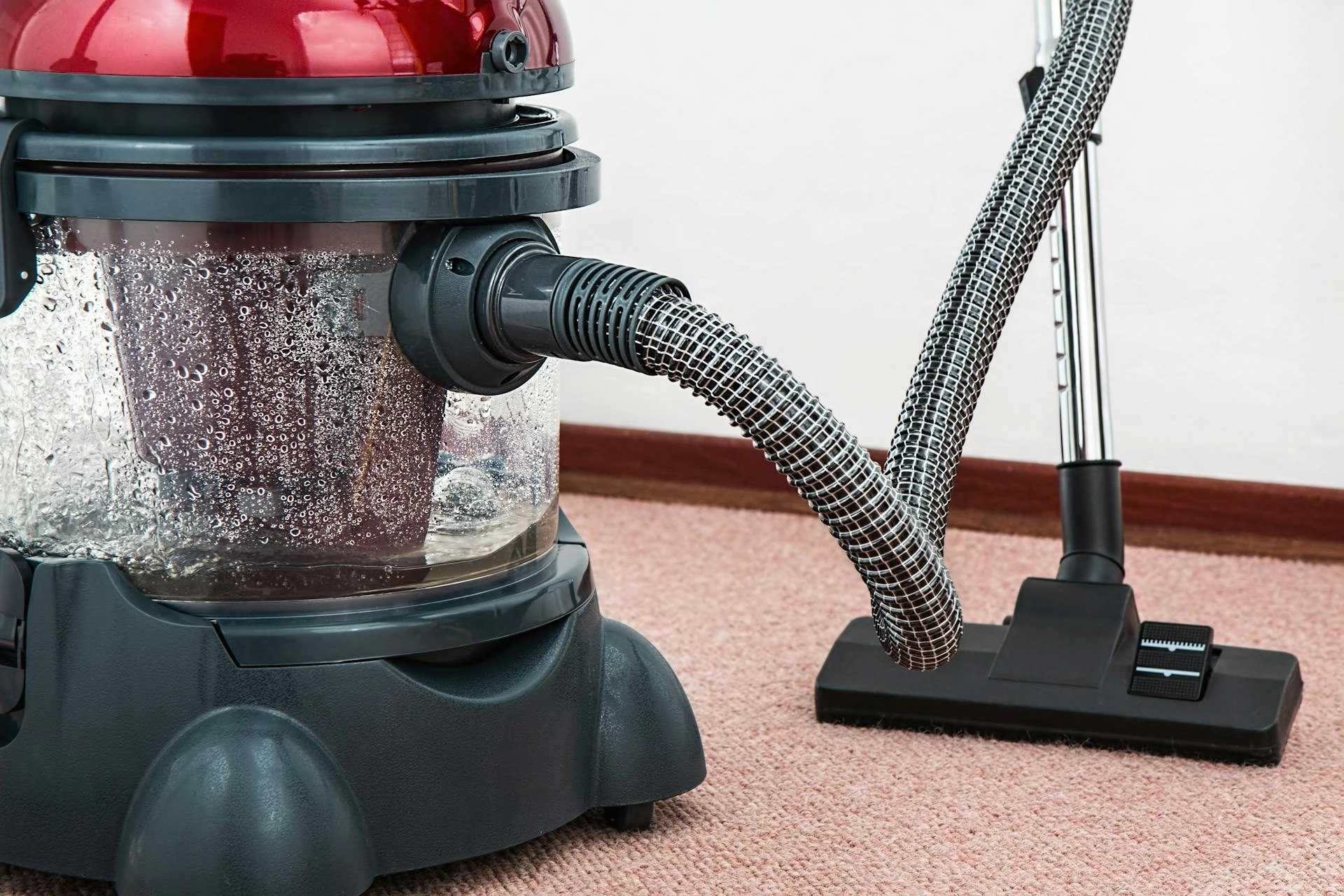
Professional hot-water extraction carpet cleaning for Singapore homes and commercial spaces — removing embedded stains, dust mites, bacteria and allergens that routine vacuuming cannot reach. In-house team, satisfaction guaranteed.
▎Service at a glance
Service
Carpet Deep Cleaning
Coverage
Island-wide, Singapore
Sectors
Residential · Commercial · Hospitality · Office
Duration
2–4 hrs cleaning + 4–8 hrs drying
Frequency
Residential 6–12 months · Office 3–6 months
Safe For
Pets & children once fully dry
Guarantee
Satisfaction guarantee on all work
▎01 / Why deep clean your carpet
What vacuuming can't reach.
Regular vacuuming removes surface dust and loose debris — but the embedded soiling, biological matter and allergens deep in the carpet pile require professional extraction. In Singapore’s humid climate, this matters more than anywhere else.
Eliminates dust mites & allergens
Singapore’s humidity creates ideal conditions for dust mite colonisation — carpets can harbour millions of mites per square metre. Hot-water extraction at 60°C+ kills dust mites and their waste particles, providing significant relief for allergy and asthma sufferers.
Removes embedded stains
Coffee, wine, pet urine, ink and food stains set into the carpet fibre over time and cannot be removed by surface cleaning alone. Targeted pre-treatment chemistry followed by hot-water extraction dissolves and lifts embedded staining from deep within the pile.
Improves indoor air quality
Carpets act as a filter — trapping airborne particles, VOCs, pet dander and pollutants in the pile. When the carpet becomes saturated, these particles are re-released into the air with every footstep. Regular deep cleaning resets this filtration function and measurably improves indoor air quality.
Extends carpet lifespan
Embedded grit and soil particles act as an abrasive against carpet fibres with every footstep — accelerating wear and matting. Regular deep extraction removes this embedded abrasive, significantly extending the usable life of the carpet before it needs replacement.
10x
More dust mites in carpets than hard floors
▎Singapore's dust mite problem
Why Singapore carpets need cleaning more often than you think.
Singapore’s average relative humidity of 70–90% creates near-ideal conditions for dust mite colonisation — significantly worse than temperate countries where carpets dry more readily between cleans. Dust mites feed on shed human skin cells and thrive in humid carpet pile, multiplying rapidly between professional cleans. Their waste particles — not the mites themselves — are the primary trigger for asthma and allergic rhinitis symptoms. For Singapore households with allergy or asthma sufferers, professional hot-water extraction every 6 months is genuinely a health measure, not just an aesthetic one.
▎02 / Cleaning methods compared
Why hot-water extraction outperforms the alternatives.
Three carpet cleaning methods are commonly offered in Singapore. Only one cleans the full depth of the carpet pile — which is where the real soiling, bacteria and allergens live.
▎Lexsure method
Hot-Water Extraction
Hot water and cleaning solution injected deep into the carpet pile under pressure, then immediately extracted along with dissolved dirt, stains, dust mites, bacteria and allergens. Cleans the full depth of the carpet.
Cleaning depth
Full pile depth
Bacteria removal
✓ 60°C+ kills mites
Drying time
4–8 hours
Stain removal
Deep embedded stains
▸ Recommended by carpet manufacturers
▎Alternative method
Bonnet Cleaning
A rotating pad (bonnet) soaked in cleaning solution is buffed across the carpet surface. Fast and low-moisture — used in hotels for interim cleaning between full extractions. Only addresses the top 30% of the carpet pile.
Cleaning depth
Surface only (~30%)
Bacteria removal
Partial
Drying time
1–2 hours
Stain removal
Surface stains only
▸ Suitable for interim maintenance only
▎Alternative method
Dry Compound Cleaning
Dry cleaning compound brushed into the carpet, allowed to absorb soiling, then vacuumed out. No drying time required. Suitable for carpets that cannot tolerate moisture (e.g. natural fibres). Cannot remove liquid stains or kill biological matter.
Cleaning depth
Mid pile only
Bacteria removal
Minimal
Drying time
None
Stain removal
Dry soiling only
▸ Natural fibre carpets only
▎03 / Which carpet types can we clean?
Suitable types — and the exceptions.
Hot-water extraction is safe for most synthetic and wool carpets. However, certain carpet materials cannot tolerate moisture — and we will tell you this honestly before accepting a booking rather than damage your carpet.
✓
Broadloom (Cut Pile)
Nylon, polyester and polypropylene cut pile carpets — the most common type in Singapore homes and offices. Hot-water extraction at standard settings. Full stain and allergen removal.
▸ Suitable
✓
Carpet Tiles
Modular polypropylene or nylon carpet tiles common in Singapore offices. Hot-water extraction on individual tiles in-situ. Heavily stained tiles can be replaced individually after cleaning.
▸ Suitable
✓
Loop Pile (Berber)
Looped fibre construction — common in commercial and contract installations. Requires gentle extraction settings to avoid snag damage to loops. Excellent allergen removal.
▸ Suitable (gentle settings)
✓
Wool Carpets
Natural wool carpets can be hot-water extracted using cooler water temperatures and wool-safe alkaline chemistry. Our team identifies fibre type before commencing. Requires slightly longer drying.
▸ Suitable (wool-safe chemistry)
✕
Sisal, Jute & Seagrass
Natural plant fibre carpets cannot be wet cleaned — water causes irreversible shrinkage, warping, colour bleeding and backing delamination. Dry compound cleaning only. We will advise and decline wet extraction on these materials.
▸ Not suitable — dry clean only
✕
Severely Damaged Carpets
Carpets with delaminating backing (separation of pile from backing layer), severe moth damage, or structural backing failure are not suitable for wet extraction — the process accelerates deterioration. Our team assesses and advises replacement where appropriate.
▸ Assessment required
▎04 / Stain treatment guide
Different stains, different chemistry.
Each stain type requires a different pre-treatment solution before extraction. Generic “professional cleaning solution” applied to every stain type is one reason DIY and budget services produce disappointing results.
| Stain type | Pre-treatment | Fully removable | Notes |
|---|---|---|---|
| Coffee & tea | Oxidising enzyme cleaner | ✓ If fresh | Set stains may leave faint shadow — multiple treatments |
| Red wine | Tannin pre-spray + oxidiser | ✓ Most cases | Old oxidised wine stains may not fully clear |
| Pet urine | Enzyme bio-treatment + deodoriser | ✓ Odour + stain | May require two treatments if soaked through to backing |
| Food (grease-based) | Alkaline solvent degreaser | ✓ Most cases | Cooking oil and butter respond well to alkaline pre-treatment |
| Ink & dye | Solvent spot treatment | Partial | Ballpoint ink often removable; permanent marker and dye rarely are |
| Blood | Cold water + enzyme cleaner | ✓ If cold-treated | Never use hot water on blood — heat sets the protein permanently |
| Mud & soil | Allow to dry fully, then pre-vacuum + alkaline spray | ✓ | Treat dry — never rub wet mud, it embeds deeper |
| Mould & mildew | Fungicidal pre-treatment | Partial | Surface mould removed; deep backing mould may require carpet replacement |
▎05 / How often should you book?
Recommended frequency by use.
Singapore’s humidity accelerates biological growth in carpets between cleans. The right interval depends on how many people use the space, whether pets are present, and the sector’s hygiene requirements.
▎Residential
Home (No Pets)
6–12
months between cleans
Standard Singapore HDB or condo with synthetic or wool carpet. 6 months recommended for allergy/asthma households; 12 months for low-traffic or rarely used carpet areas.
▎Residential
Home (With Pets)
3–6
months between cleans
Pet dander, hair and occasional accidents significantly accelerate biological loading in carpet pile. 3-monthly for indoor dogs and cats; 6-monthly for low-shedding pets.
▎Commercial
Office Carpet
3–6
months between cleans
Daily foot traffic from multiple users accelerates soiling. Open-plan offices with 20+ daily users benefit from quarterly cleaning. Smaller or low-traffic offices can extend to 6 months.
▎Commercial
F&B, Hotel & High-Traffic
1–3
months between cleans
High-footfall commercial carpets in F&B, hotels, serviced apartments and healthcare facilities require monthly or bi-monthly deep cleaning to maintain hygiene standards and appearance.
▎06 / Our process
Five-step carpet deep cleaning process.
Every Lexsure carpet deep cleaning visit follows the same structured five-step process. The pre-treatment chemistry in step three varies by stain type — everything else is consistent across every clean.
01
Inspection & Fibre Check
Carpet fibre type confirmed, stains identified and assessed for removability, backing condition checked for delamination. Machine settings selected for fibre type. Customer expectations aligned on difficult stains.
02
Dry Vacuum & Prep
Thorough dry vacuum extraction to remove loose surface dust, debris, hair and grit before wet extraction — prevents dry soiling from turning to muddy residue under water.
03
Targeted Stain Pre-Treatment
Specialist pre-treatment solutions applied to each identified stain type — enzyme cleaner for organic stains, oxidiser for tannin stains, solvent for grease, fungicide for mould. Dwell time allowed for chemical action.
04
Hot-Water Extraction
Hot water and pH-balanced rinse solution injected under pressure into the pile, immediately extracted along with dissolved soiling, pre-treatment residue, mite waste, bacteria and allergens. Multiple passes on heavily soiled areas.
05
Drying & Final Check
Carpet groomed to restore pile direction. Air circulation optimised for drying — windows opened, AC set to 20–22°C. Stain treatment results reviewed with customer. Return timing for heavy foot traffic confirmed.
▎07 / FAQ
Carpet cleaning questions, answered.
Common questions Singapore homeowners, office managers and hospitality operators ask before booking. Send us a photo of your carpet and our team will advise the right approach at no charge.
How often should carpets be deep cleaned in Singapore?
Residential carpets every 6 to 12 months — 6-monthly for households with allergy sufferers or pets; up to 12 months for low-traffic areas. Office carpets every 3 to 6 months depending on foot traffic. F&B, hotel and high-footfall commercial carpets every 1 to 3 months. Singapore’s humidity accelerates dust mite colonisation compared to temperate countries, making regular professional cleaning more important here.
What is hot-water extraction and why is it better?
Hot-water extraction (commonly called steam cleaning) injects hot water and cleaning solution deep into the carpet pile under pressure, then immediately extracts it along with dissolved dirt, stains, dust mites, bacteria and allergens — cleaning the full depth of the pile. Bonnet cleaning and dry cleaning only address the surface. Hot-water extraction is the method recommended by most carpet manufacturers for deep cleaning maintenance.
How long does carpet deep cleaning take?
The cleaning process for a standard 3-bedroom HDB or condo takes 2 to 4 hours. Drying requires an additional 4 to 8 hours depending on carpet thickness and ventilation. Running air conditioning at 20–22°C significantly accelerates drying. Carpets can be lightly walked on with clean socks within 2 to 3 hours; heavy foot traffic and furniture return should wait until fully dry.
Can all carpet stains be removed?
Most fresh stains — coffee, wine, food, pet urine, mud — are fully removed by professional hot-water extraction combined with targeted pre-treatment chemistry. Old set stains that have oxidised, stains from permanent dye sources, or stains treated incorrectly with home products may be significantly reduced but cannot always be fully eliminated. Our team assesses each stain during inspection and advises honestly on expected outcomes before commencing.
Is carpet cleaning safe for pets and children?
Which carpet types cannot be wet cleaned?
Natural plant fibre carpets — sisal, jute, seagrass and coir — cannot be wet cleaned. Water causes irreversible shrinkage, warping and colour bleeding in these materials. Dry compound cleaning is the only appropriate method. Carpets with delaminating backing or severe moth damage are also not suitable. Our team identifies the carpet fibre during inspection and will advise dry cleaning where wet extraction is not appropriate.
How should I prepare for a carpet cleaning visit?
Clear small furniture, toys and loose items from the carpeted area before our team arrives. Large furniture such as sofas and beds does not need to be moved — we clean around and under furniture edges. Ensure access to a power socket and that windows can be opened for ventilation during drying. Pre-vacuuming is helpful but not essential; dry vacuum extraction is part of our standard process.
Do you offer a satisfaction guarantee?
Yes — all Lexsure carpet deep cleaning carries a satisfaction guarantee. If you are not satisfied with the result for any area and raise this before our team leaves the property, we will re-treat that area at no charge. We cannot guarantee full removal of stains assessed as unlikely to fully clear during the pre-clean inspection — our team will flag these explicitly before commencing.
Book your carpet deep clean today.
Free consultation and written quote. Tell us the carpet area, type and any stains of concern — we’ll recommend the right approach and schedule at a time that suits your household or business.
Other floor care services
▎Floor Polishing
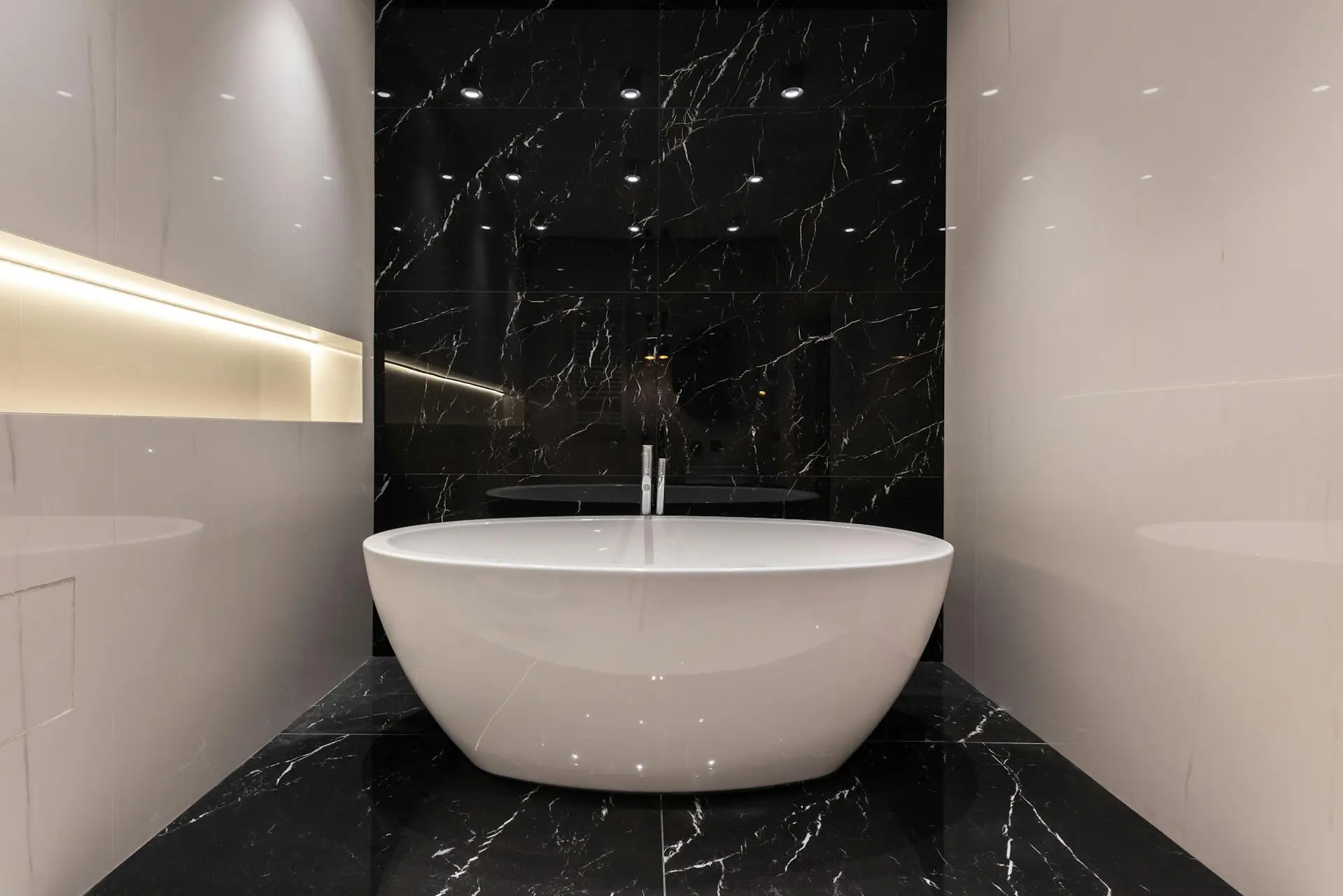
Marble Waxing
▎Floor Polishing
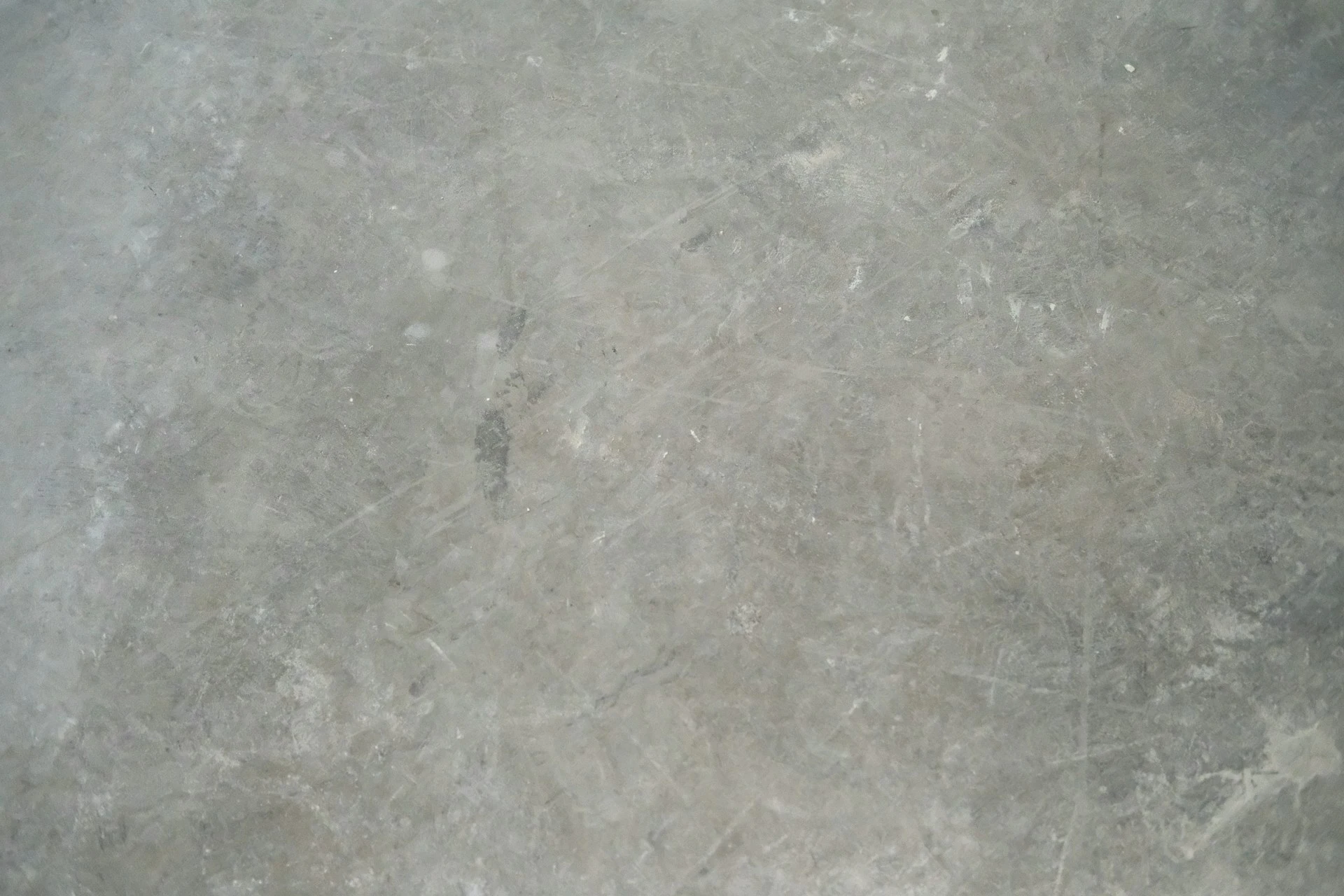
Cement Floor Polishing
▎Floor Polishing